Explore Jeonju Hanok Village Gems
- 공유 링크 만들기
- X
- 이메일
- 기타 앱
Welcome to the Heart of Korean Heritage: Jeonju Hanok Village Awaits!
Have you ever wondered what it feels like to step through a picturesque portal, where every turn whispers centuries-old secrets and every street is lined with vibrant culture? Jeonju Hanok Village is South Korea's living canvas—blending ancient tradition and intriguing modern gems in every alley, teahouse, and artisan shop. Whether you're a cultural explorer, a food lover, or a photo hunter, this carefully planned journey will help you discover hidden spots and must-see highlights like a true local—with all transit, tickets, parking, and unique features expertly detailed for a seamless, magical day. Read until the end if you dream of a trip that’s as memorable as it is accessible! Let’s craft your newest travel story, right here in Jeonju.
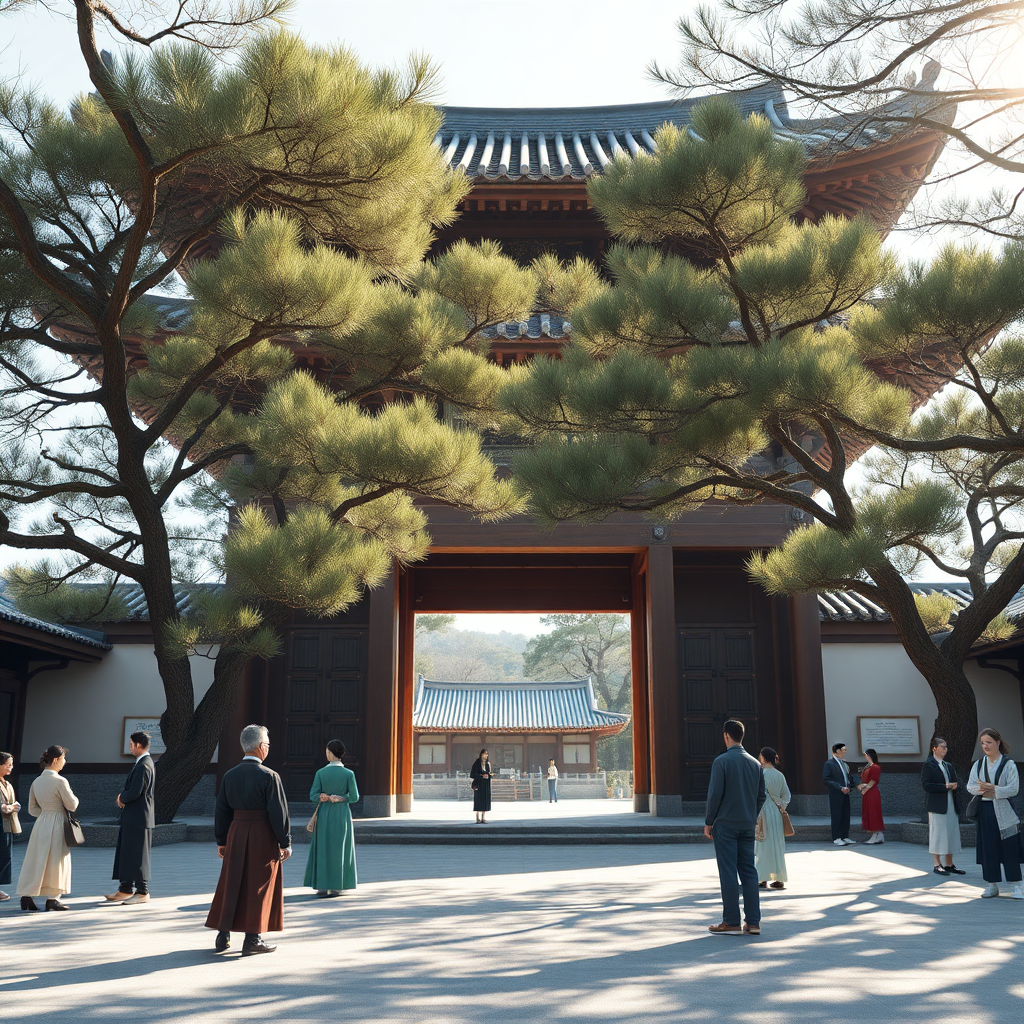
Every journey through Jeonju Hanok Village is incomplete without a visit to Gyeonggijeon Shrine. This sacred place is not just a historical monument—it is the beating heart of Jeonju’s royal heritage, where tradition and modernity gracefully intertwine.
Let’s embark on a storytelling journey, following the classic 8-stage structure inspired by Harmon's law, to uncover the true spirit of Gyeonggijeon Shrine and why it continues to captivate visitors from around the world.
- The Ordinary World: Imagine wandering through the bustling streets of Jeonju Hanok Village, surrounded by charming hanok houses and vibrant local life. The air is filled with the aroma of traditional food, but a sense of curiosity lingers—what lies at the heart of this historic city?
- The Call to Adventure: You hear whispers of a shrine that houses the spirit of a king. Locals speak of Gyeonggijeon as a place where time stands still, inviting you to step into Korea’s royal past.
- Refusal of the Call: Perhaps you hesitate, wondering if an old shrine can truly offer something meaningful in today’s fast-paced world. But the allure of history is too strong to resist.
- Meeting the Mentor: At the entrance, a friendly guide greets you, sharing stories of King Taejo, the founder of the Joseon Dynasty, whose portrait is enshrined here. You realize this is more than a tourist spot—it’s a living classroom of Korean culture and legacy.
- Crossing the Threshold: Passing through the grand gate, you are enveloped by ancient pine trees and tranquil courtyards. The atmosphere shifts; you feel a sense of reverence and awe. The keywords heritage and tradition echo in your mind.
- Tests, Allies, and Enemies: As you explore, you encounter artifacts, royal tablets, and centuries-old architecture. Each step reveals new insights into the values of respect, harmony, and resilience that shaped Korean society. Fellow travelers share their reflections, deepening your understanding.
- The Ordeal: In the main hall, you stand before the royal portrait. It’s a moment of quiet contemplation—what does it mean to honor the past while living in the present? The shrine challenges you to connect with your own roots and values.
- The Reward and Return: Leaving Gyeonggijeon, you carry with you not just photos, but a renewed sense of identity and inspiration. The royal spirit of Jeonju is now part of your own story, encouraging you to cherish tradition and embrace modernity with wisdom.
Why Gyeonggijeon Shrine Matters Today
- Cultural Insight: The shrine is a living testament to the enduring power of heritage and respect for ancestors. It offers a unique window into the values that have shaped Korea for centuries.
- Personal Growth: Visiting Gyeonggijeon encourages self-reflection. It reminds us to pause, honor our own roots, and seek balance between tradition and progress.
- Community Connection: The shrine is a gathering place for locals and travelers alike, fostering a sense of belonging and shared history.
In a world that often feels rushed and disconnected, Gyeonggijeon Shrine stands as a gentle reminder: to know where we are going, we must remember where we came from. Whether you are a history enthusiast, a cultural explorer, or simply seeking a moment of peace, this royal sanctuary offers wisdom and inspiration for all.
| Aspect | Modern Benefit |
|---|---|
| Historical Education | Deepens understanding of Korean culture and identity |
| Architectural Beauty | Inspires appreciation for traditional design and craftsmanship |
| Mindfulness | Encourages reflection and personal growth |
| Community | Builds connections among visitors and locals |
Tip: For the best experience, visit in the early morning or late afternoon when the light is soft and the shrine is most peaceful. Don’t forget to explore the surrounding gardens and hidden corners—every detail tells a story.
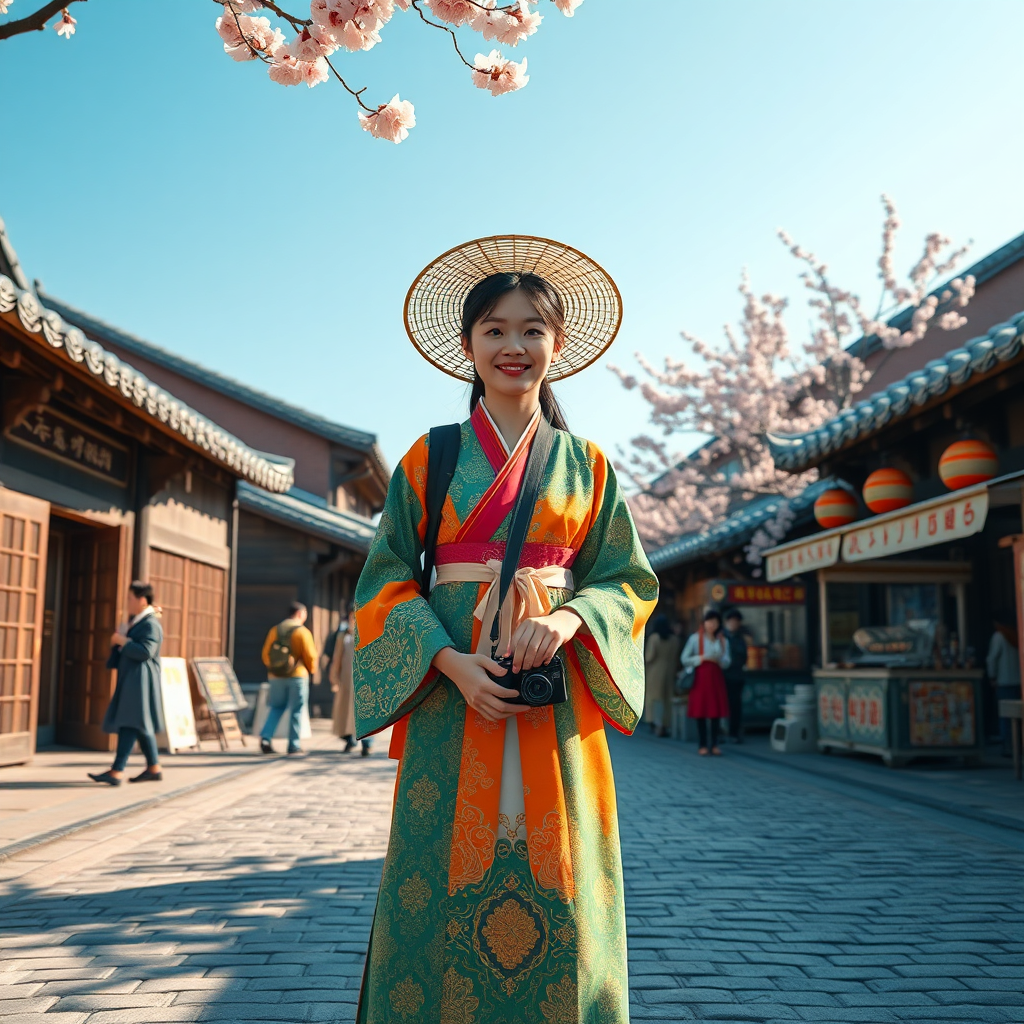
Imagine stepping into a living storybook—where tradition meets modernity, and every street corner feels like a scene from a historical drama. That’s the magic of Jeonju Hanok Village, and one of the most immersive ways to experience it is through a hanbok rental and walking tour.
Let’s embark on an enchanting journey using the classic 8-stage storytelling formula, inspired by Dan Harmon’s law:
- The Ordinary World: You arrive in Jeonju, excited but dressed in everyday clothes, feeling like an outsider among the picturesque hanok rooftops and cobblestone alleys.
- The Call to Adventure: You notice vibrant hanbok-clad visitors, their colors glowing against the wooden hanok houses. Curiosity sparks—should you try it too?
- Refusal of the Call: Doubts arise. Will it be uncomfortable? Is it just for tourists? You hesitate, worried about standing out.
- Meeting the Mentor: A friendly local at a hanbok rental shop welcomes you, explaining the history and symbolism behind the garments. They help you choose a style that suits your personality.
- Crossing the Threshold: As you don the hanbok, you feel transformed. The mirror reflects not just a new look, but a new sense of belonging and excitement.
- Tests, Allies, and Enemies: Walking through the village, you encounter fellow travelers, take photos at Gyeonggijeon Shrine, and taste street food. You learn to move gracefully, appreciating the craftsmanship of your attire. The only challenge? Resisting the urge to buy every traditional snack you see!
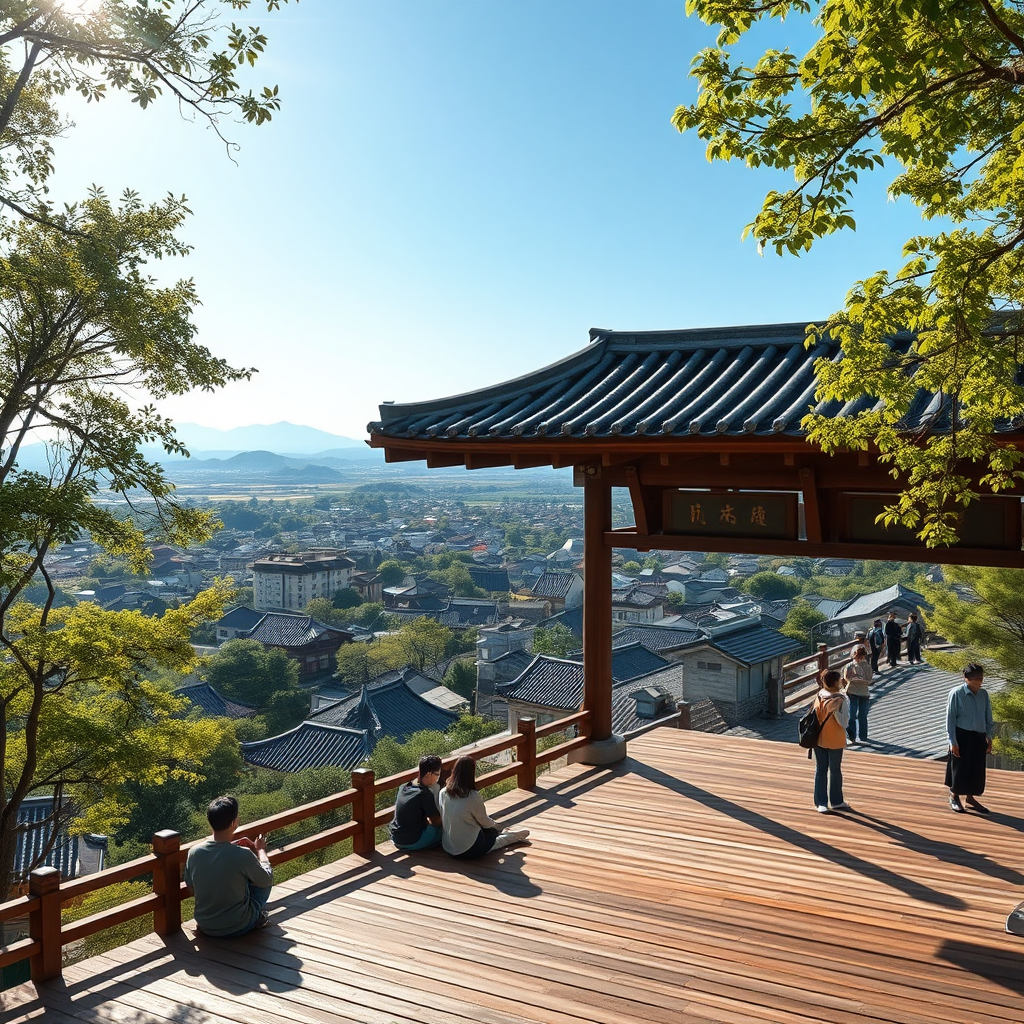
- The Ordeal: You reach Omokdae Pavilion, slightly out of breath from the uphill walk, but the panoramic view of tiled roofs and hanbok colors below is worth every step. You realize you’re part of a living tradition.
- The Reward & Return: As you return the hanbok, you feel a deeper connection to Korean culture. The photos and memories are priceless, but the real treasure is the sense of immersion and self-discovery.
Why Hanbok Rental Matters:
- Cultural Insight: Wearing hanbok allows you to understand Korean history and etiquette from the inside out.
- Authentic Photos: Capture memories that are truly unique to Jeonju Hanok Village.
- Community Connection: Locals and other visitors often greet you with smiles, making you feel welcomed and part of the scene.
- Mindful Exploration: Moving in hanbok encourages you to slow down, notice details, and savor the moment.
| Hanbok Rental Tips | Walking Tour Highlights |
|---|---|
| Book in advance during weekends | Gyeonggijeon Shrine, Jeondong Cathedral |
| Choose light, breathable fabrics in summer | Omokdae Pavilion panoramic view |
| Ask for hair accessories for a complete look | Try street food: choco pie, bibimbap |
| Return hanbok on time to avoid extra fees | Visit local craft shops and tea houses |
Ultimately, a hanbok rental and walking tour is more than just a photo opportunity—it’s a gateway to authentic cultural immersion. It helps you see Jeonju Hanok Village not just as a tourist, but as a participant in its living heritage. If you’re seeking a meaningful travel experience, don’t hesitate to step into the past and walk into your own story.
Keywords: hanbok rental, Jeonju Hanok Village, walking tour, cultural immersion, Korean tradition
Let’s embark on a flavorful journey through Jeonju Bibimbap Alley, the heart of Korea’s culinary heritage. Here, the past and present blend in a single bowl, offering an experience that is as much about culture as it is about taste.
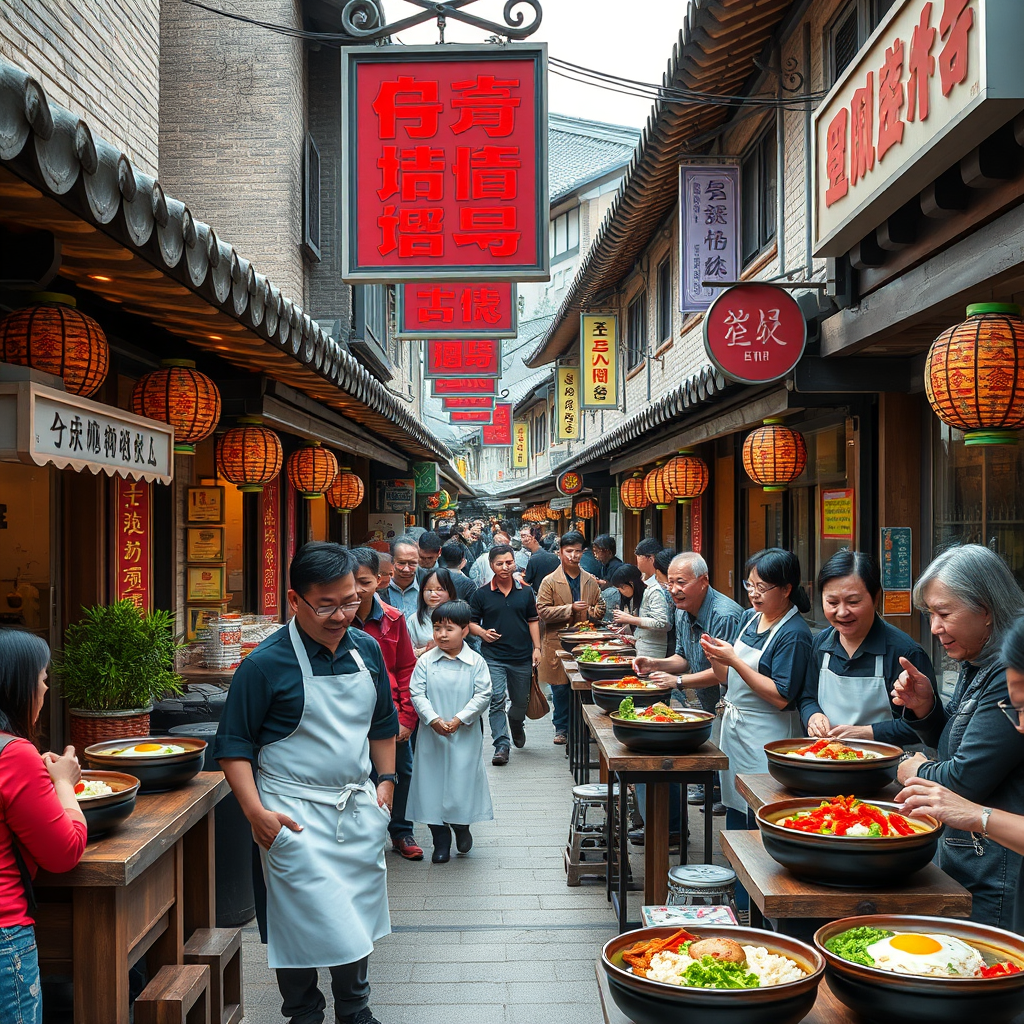
In the bustling alleys of Jeonju Hanok Village, Bibimbap Alley stands out as a living testament to the city’s rich gastronomic tradition. The aroma of sesame oil, the vibrant colors of seasonal vegetables, and the warmth of local hospitality create an unforgettable atmosphere for food lovers and cultural explorers alike.
Imagine wandering through the historic Hanok Village, when the enticing scent of freshly cooked rice and sizzling beef draws you into a narrow alley. This is your call to adventure—a chance to taste authentic Jeonju Bibimbap in its birthplace.
As you step into Bibimbap Alley, you cross into a world where tradition meets innovation. Each restaurant, some family-run for generations, invites you to experience their unique take on this iconic dish. The walls are adorned with stories and photographs, echoing decades of culinary pride.
With so many options, choosing where to eat becomes an adventure in itself. Some eateries serve classic bibimbap in brass bowls, while others offer creative twists—vegan versions, spicy renditions, or bowls topped with local specialties. Each bite is a new discovery, highlighting the diversity and adaptability of Korean cuisine.
The true gems of Bibimbap Alley are the people. Friendly chefs and staff are eager to share their stories, explain the significance of each ingredient, and even let you watch as they artfully arrange the colorful toppings. Their passion is contagious, and their insights deepen your appreciation for Jeonju’s food culture.
Bibimbap is more than a meal—it’s a symbol of harmony and balance. Learning about its origins, you discover how each ingredient represents a different aspect of health and nature. This knowledge transforms your dining experience into a meaningful cultural exchange.
At last, you sit down to enjoy your bowl of bibimbap. The mix of warm rice, fresh vegetables, spicy gochujang, and a perfectly fried egg is both comforting and exhilarating. This is the reward for your journey—a taste that lingers in your memory long after you leave.
Inspired by your meal, you snap photos, jot down notes, and perhaps even buy a local cookbook. You’re eager to share your experience with friends and family, spreading the word about Jeonju’s culinary treasures.
Returning from Bibimbap Alley, you carry more than just a satisfied appetite. You’ve gained a deeper understanding of how food connects people, preserves tradition, and evolves with the times. This insight enriches your own approach to eating and exploring new cultures.
- Go early or late to avoid peak lunch crowds and enjoy a more relaxed experience.
- Don’t hesitate to ask for recommendations—locals are proud of their food and happy to help.
- Try different versions of bibimbap to appreciate the creativity and diversity of the alley.
- Pair your meal with traditional side dishes like kongnamul-guk (bean sprout soup) for a complete experience.
| Restaurant Name | Specialty | Unique Feature |
|---|---|---|
| Gogung | Classic Jeonju Bibimbap | Traditional brass bowls, 40+ years history |
| Hanguk-jip | Vegetarian Bibimbap | Locally sourced organic ingredients |
| Sambaek-jip | Spicy Bibimbap | Homemade gochujang, fiery flavor |
Jeonju Bibimbap Alley is more than a destination—it’s a journey through taste, history, and community. Whether you’re a foodie, a culture seeker, or simply curious, this alley promises an experience that will nourish both your body and your soul.
Every journey through Jeonju Hanok Village feels like stepping into a living story, and Omokdae Pavilion is a key chapter in that narrative. If you’re seeking a blend of breathtaking panoramic views and peaceful reflection, Omokdae is your haven.
Let’s walk through this experience using the classic storytelling arc, Harmon's law, to truly appreciate why Omokdae Pavilion is a must-visit for anyone exploring the fusion of tradition and modernity in Jeonju.
- The Ordinary World: You begin your day in the bustling streets of Jeonju Hanok Village, surrounded by vibrant shops, cafes, and the hum of tourists. The village is alive with the scent of traditional food and the sight of hanbok-clad visitors.
- The Call to Adventure: Amidst the excitement, you notice a winding path leading up a gentle hill. A sign points to Omokdae Pavilion, promising "the best view in Jeonju." Curiosity sparks.
- Refusal of the Call: The climb looks a bit steep, and you hesitate. Maybe you’re tired, or worried it won’t be worth it. But something about the promise of tranquility draws you in.
- Meeting the Mentor: An elderly local, resting at the base, smiles and encourages you: "The view will change how you see Jeonju." Inspired, you begin your ascent.
- Crossing the Threshold: As you climb, the sounds of the village fade. The air grows fresher, the trees thicker. Each step brings a sense of anticipation and escape from the ordinary.
- Tests, Allies, and Enemies: The path is lined with wildflowers and the occasional squirrel. Other travelers nod in solidarity. You feel a sense of community, even in solitude. The only enemy is your own impatience.
- The Approach: Finally, the pavilion appears, perched on the hilltop. Its traditional wooden structure stands in harmony with the landscape, inviting you to step inside.
- The Ordeal and Reward: You reach the pavilion, breathless but exhilarated. Before you, Jeonju unfolds in a sweeping panorama—tiled hanok roofs, winding alleys, distant mountains. The city’s blend of old and new is laid out like a living tapestry. In this quiet moment, you find clarity and peace, a rare pause in a busy world.
Why Omokdae Pavilion Matters:
- Perspective: Omokdae literally and figuratively offers a new perspective. It’s a place to reflect on your journey—both in Jeonju and in life.
- Balance: The pavilion is a symbol of balance between tradition and modernity. From its vantage point, you can see both the historic hanok village and the modern city beyond.
- Well-being: Studies show that spending time in elevated, natural spaces can reduce stress and boost creativity. Omokdae’s serene environment is perfect for mindfulness and relaxation.
| Benefit | How Omokdae Delivers |
|---|---|
| Stress Relief | Quiet, natural setting with panoramic views |
| Cultural Insight | Historic significance and architectural beauty |
| Inspiration | Unique perspective on Jeonju’s blend of old and new |
Next time you visit Jeonju Hanok Village, don’t just wander the streets—rise above them. Omokdae Pavilion isn’t just a viewpoint; it’s a gentle reminder to pause, breathe, and see your world with fresh eyes.
Have you visited Omokdae? What quiet moments or insights did you discover there? Share your story in the comments below!
- 공유 링크 만들기
- X
- 이메일
- 기타 앱