Explore Korea: Jeju Island Adventure
- 공유 링크 만들기
- X
- 이메일
- 기타 앱
Embark on an Unforgettable Jeju Island Adventure!
Have you ever dreamt of escaping to an island where emerald seas meet volcanic wonders, vibrant culture, and mouth-watering cuisine? Welcome to Jeju Island – Korea's most stunning and diverse getaway! Whether you're a first-time traveler or a seasoned adventurer, this guide reveals exactly how to experience Jeju’s magic in comfort and style. Discover seamless transport options, up-to-date admission tips, unique features at every destination, and local secrets that only true insiders know. Our carefully designed one-day schedule makes the most of your visit, making Jeju accessible and exhilarating for everyone – solo explorers, families, and couples alike. Dive in and make your Korea dream come true!
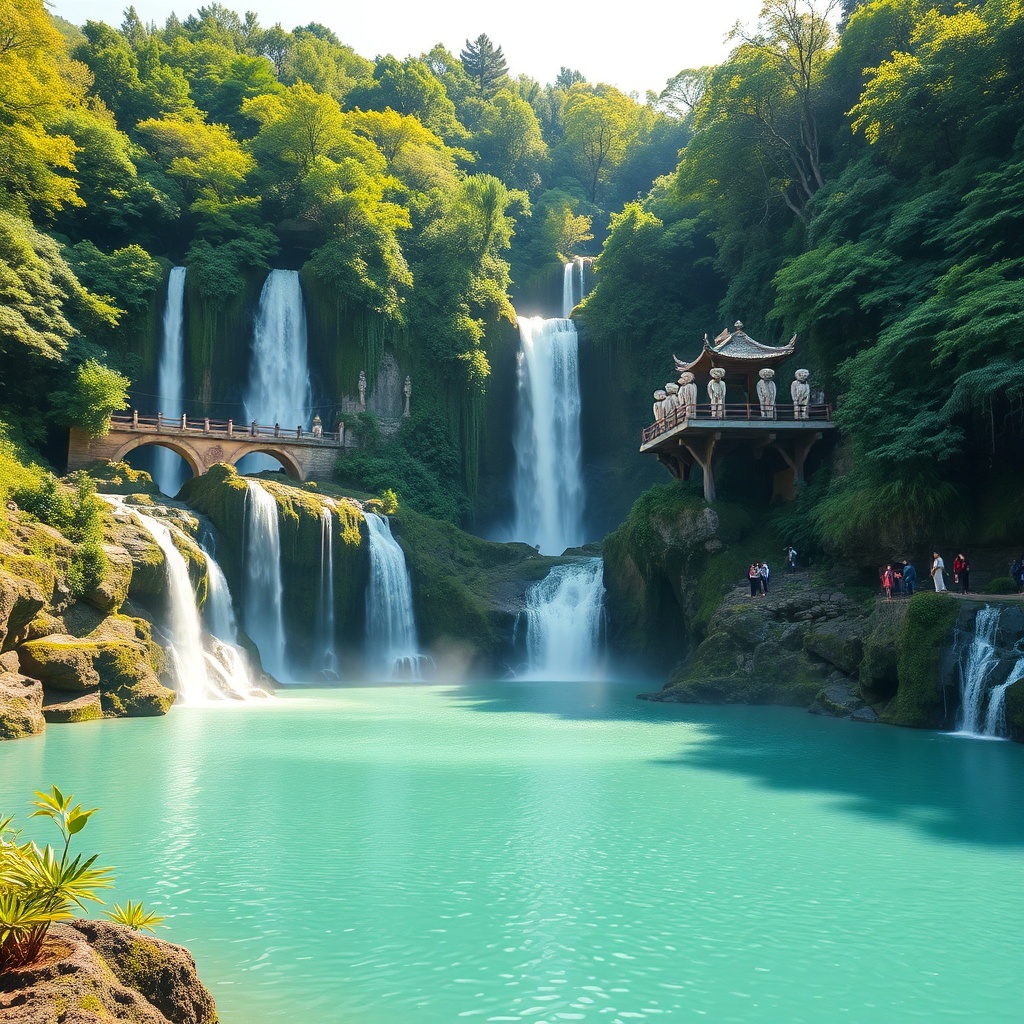
Cheonjeyeon Falls, often called the "Pond of the Emperor of Heaven," is one of Jeju Island's most enchanting natural wonders. Nestled in the lush forests of Seogwipo, this multi-tiered waterfall is not just a feast for the eyes, but also a place steeped in legend and cultural significance.
According to ancient folklore, seven nymphs would descend from the heavens at night to bathe in the cool, clear waters of Cheonjeyeon. This story gives the falls an air of mystery and spiritual allure, making it a must-visit for travelers seeking both natural beauty and a touch of Korean mythology.
- Three Distinct Cascades: The falls are divided into three sections, each with its own character. The first cascade drops into a deep, jade-colored pool, the second is a gentle flow over volcanic rock, and the third is a wide, dramatic curtain of water. Each stage offers a different perspective for photography and reflection.
- Rare Flora: The area around Cheonjeyeon is home to rare subtropical plants, including the elusive solimnan (Dampalsu), which is designated as a natural monument. This makes the falls a paradise for nature lovers and botany enthusiasts.
- Seonimgyo Bridge: This iconic arch bridge, adorned with seven nymphs, spans the gorge above the falls. Crossing it offers breathtaking views and a deeper connection to the legend.
- Best Time to Visit: Early morning or late afternoon, when the sunlight creates magical reflections and the crowds are minimal.
- Travel Tip: Wear comfortable shoes—the trails can be slippery, especially after rain. Bring a camera, as every angle offers a new perspective.
- Local Insight: Take a moment to pause on Seonimgyo Bridge and listen to the sound of the falls. Locals believe it brings good luck and inspiration.
| Feature | Why It Matters | Insider Tip |
|---|---|---|
| Legend of the Nymphs | Connects you to Korean folklore and spiritual heritage | Read the story at the entrance for deeper appreciation |
| Three Waterfall Stages | Offers diverse scenery and photo opportunities | Visit all three for the full experience |
| Seonimgyo Bridge | Architectural highlight with panoramic views | Visit at sunset for the best light |
| Rare Plants | Unique biodiversity found only in Jeju | Join a guided tour for expert insights |
Visiting Cheonjeyeon Falls is more than just sightseeing—it's an invitation to slow down and reconnect with nature and history. The soothing sound of cascading water, the lush greenery, and the legends that echo through the valley offer a rare chance to find peace and inspiration.
If you are planning your Jeju Island adventure, don't miss Cheonjeyeon Falls. Let the stories and the scenery remind you that travel is not just about places, but about the moments and memories you create along the way.
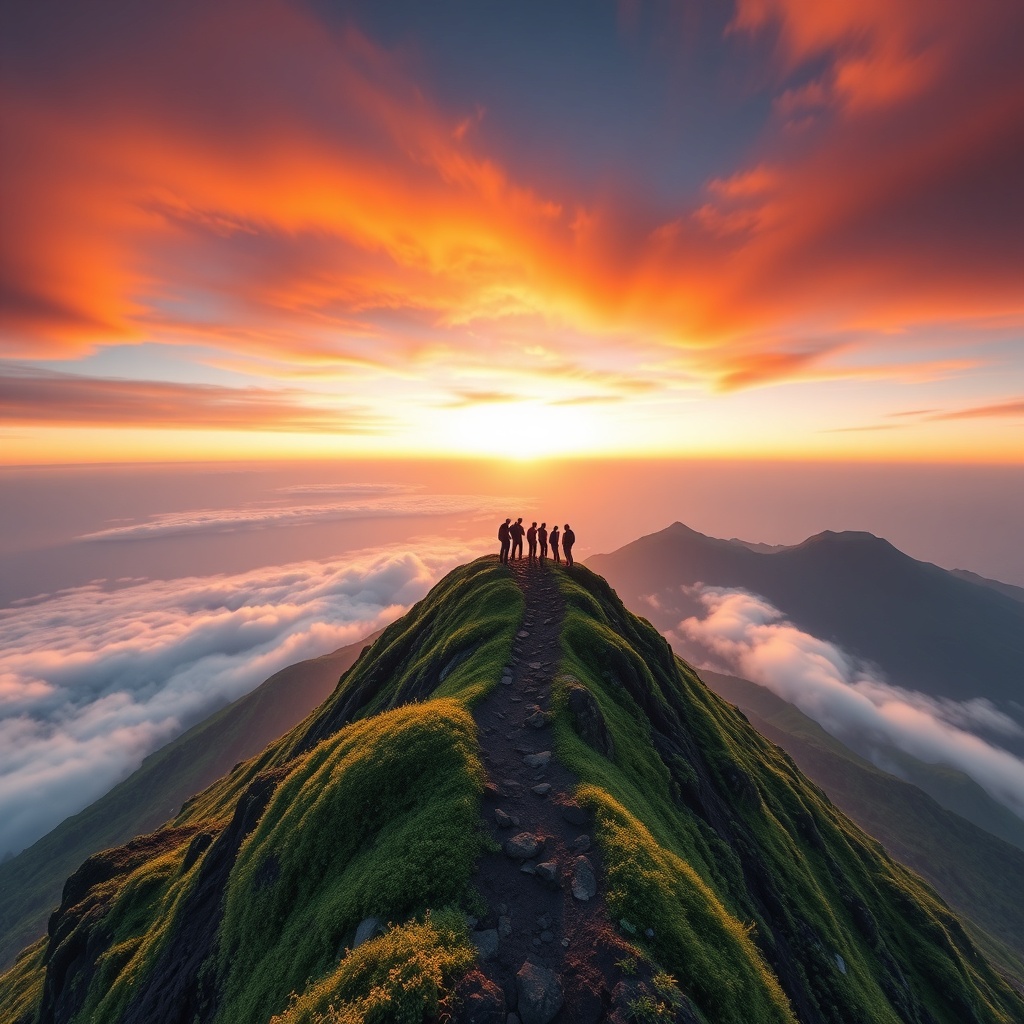
Seongsan Ilchulbong, also known as Sunrise Peak, is a volcanic tuff cone located on the eastern tip of Jeju Island. This UNESCO World Heritage site is one of Korea's most iconic natural wonders, famous for its breathtaking sunrise views and unique geological features.
Let's embark on a journey using the traditional 8-stage storytelling structure, inspired by Harmon's law, to truly explore what makes Seongsan Ilchulbong an unforgettable destination for adventure seekers and nature lovers alike.
- The Ordinary World: You arrive in Jeju, surrounded by the familiar comforts of modern travel—cafés, hotels, and city life. Yet, the allure of Seongsan Ilchulbong calls you to something extraordinary.
- The Call to Adventure: Early in the morning, you hear stories from locals and fellow travelers about the magical sunrise at the peak. The promise of a spectacular view motivates you to set your alarm for 4 AM.
- Refusal of the Call: The comfort of your bed and the fatigue from yesterday's journey tempt you to stay. But you remember that true adventure requires stepping out of your comfort zone.
- Meeting the Mentor: A friendly guesthouse owner shares insider tips: "Dress in layers, bring water, and start early. The climb is short but steep. And don’t forget your camera!"
- Crossing the Threshold: You set out in the pre-dawn darkness, flashlight in hand. The air is crisp, and the anticipation builds as you join a line of fellow adventurers heading toward the base of the peak.
- Tests, Allies, and Enemies: The trail is well-maintained but challenging. You encourage a fellow hiker who is struggling, and in return, you receive encouragement when your own energy wanes. The biggest enemy? The ticking clock—will you reach the summit before sunrise?
- The Ordeal: The final ascent is steep. Your legs burn, your breath quickens, but you push through, motivated by the faint glow on the horizon.
- The Reward: At the summit, you are greeted by a panoramic view of the crater and the vast ocean beyond. As the sun rises, painting the sky in hues of orange and pink, you feel a profound sense of accomplishment and awe. This is the moment that makes every step worthwhile.
Insider Tips for Visiting Seongsan Ilchulbong:
- Arrive Early: The sunrise is the main attraction, and the trail can get crowded. Arriving by 5 AM ensures a good spot at the top.
- Wear Proper Footwear: The path is paved but steep. Comfortable hiking shoes are essential for safety and comfort.
- Pack Light: Bring only essentials—water, a light snack, and a camera. The climb is short (about 20-30 minutes) but intense.
- Respect Nature: Stay on marked trails and avoid picking plants or disturbing wildlife. This helps preserve the site for future visitors.
- Check the Weather: Sunrise can be obscured by clouds. Check the forecast and consider visiting on a clear day for the best experience.
Why Seongsan Ilchulbong Should Be on Your Jeju Itinerary
Seongsan Ilchulbong is more than just a beautiful viewpoint—it's a place where you can challenge yourself, connect with fellow travelers, and witness one of nature's most inspiring moments. The climb may be brief, but the memories and photos will last a lifetime.
Whether you're a solo traveler seeking reflection, a couple looking for a romantic sunrise, or a family eager for adventure, this peak offers something for everyone. Let Seongsan Ilchulbong remind you that sometimes, the greatest rewards come to those who rise before dawn and embrace the unknown.
| Travel Tip | Details |
|---|---|
| Best Time to Visit | March to June and September to November for mild weather and clear skies |
| Entrance Fee | 2,000 KRW (adults), 1,000 KRW (children) |
| Opening Hours | 7:00 AM to 8:00 PM (hours may vary by season) |
| Nearby Attractions | Udo Island, Seopjikoji, Jeju Haenyeo Museum |
Keywords: Seongsan Ilchulbong, Sunrise Peak, Jeju Island, travel tips, hiking
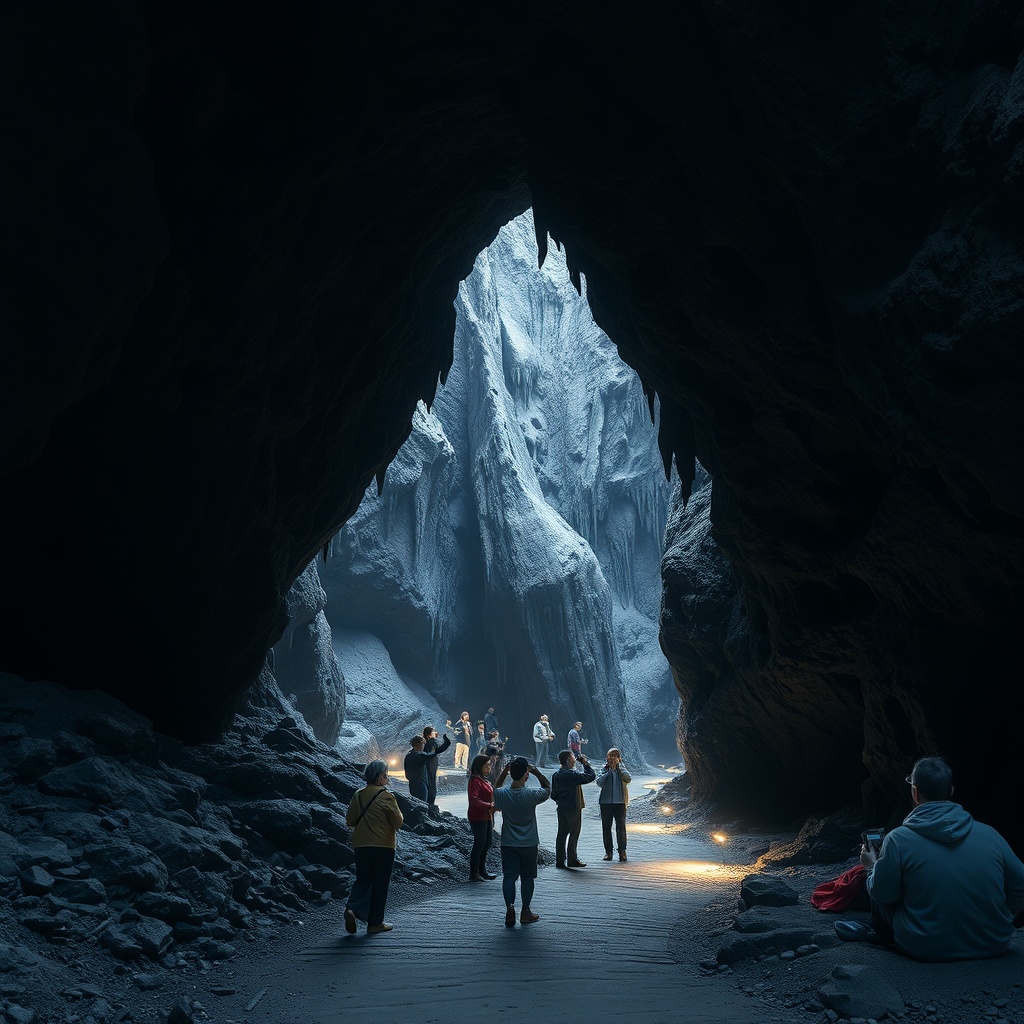
Imagine stepping into a world where time stands still, where the earth’s ancient secrets are etched into every curve and crevice. Manjanggul Cave, one of Jeju Island’s most awe-inspiring wonders, offers just that. This UNESCO World Heritage site is not only a geological marvel but also a living storybook of nature’s creativity and power.
Let’s embark on a journey through the 8 stages of classic storytelling, Harmon's Law, to fully appreciate the magic of Manjanggul Cave:
- The Ordinary World: You arrive on Jeju Island, eager for adventure but unsure what to expect. The island’s lush scenery and volcanic history hint at hidden treasures.
- The Call to Adventure: A local guide mentions Manjanggul Cave, describing it as a place where the earth’s heart beats below your feet. Curiosity sparks within you.
- Refusal of the Call: The thought of venturing underground is daunting. You wonder if it’s worth the time and effort, or if it’s just another tourist spot.
- Meeting the Mentor: Fellow travelers share their stories and photos, showing you the surreal beauty of lava tubes and the famous stone turtle. Their excitement is contagious.
- Crossing the Threshold: You enter the cave, greeted by cool air and an eerie silence. The world above fades away as you step into the unknown.
- Tests, Allies, and Enemies: The path is dimly lit and slippery. Stalactites and stalagmites loom overhead. Your flashlight reveals intricate patterns formed over millennia. You feel both awe and a touch of fear.
- The Ordeal: Deep inside, you encounter the massive lava column—one of the largest in the world. Its sheer size and age humble you, making you reflect on your place in nature’s grand design.
- The Reward: Emerging from the cave, you are filled with a sense of accomplishment and wonder. You carry with you not just photos, but a deeper appreciation for the planet’s hidden marvels.
- Geological Wonder: Manjanggul is one of the longest lava tubes in the world, stretching over 13 kilometers. Only 1km is open to the public, but every meter is packed with stunning rock formations and natural sculptures.
- Easy Accessibility: The cave is well-maintained, with safe walkways and informative signs in English and Korean. It’s suitable for families, solo travelers, and adventure seekers alike.
- Cool Escape: The temperature inside the cave remains a refreshing 11-21°C year-round, making it a perfect retreat from Jeju’s summer heat.
- Photographer’s Paradise: The interplay of light and shadow, along with the unique textures of the lava walls, creates unforgettable photo opportunities.
| Tip | Details |
|---|---|
| What to Bring | Comfortable shoes, a light jacket, and a camera with a good low-light setting. |
| Best Time to Visit | Morning hours for fewer crowds and optimal lighting. |
| Transport | Take a rental car or use Jeju’s local bus system (Bus 711 or 710-1 from Jeju City). |
| Nearby Attractions | Combine your visit with a trip to Gimnyeong Maze Park or Woljeongri Beach for a full day of adventure. |
Manjanggul Cave is more than just a tourist spot—it’s a reminder of the planet’s enduring strength and beauty. By exploring its depths, you not only witness a geological masterpiece but also embark on a personal journey of discovery. Next time you plan your Jeju Island adventure, make sure this underground marvel is at the top of your list. Your sense of wonder will thank you!
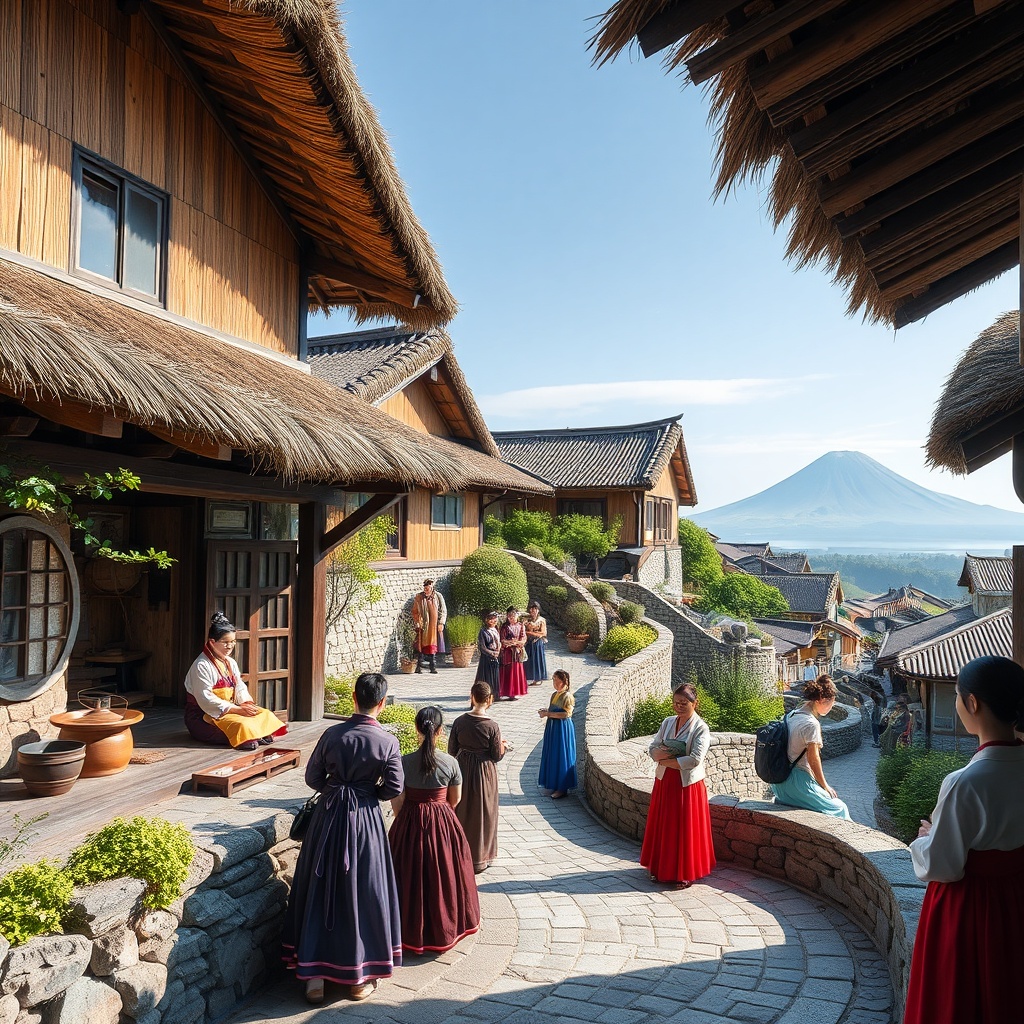
Every adventure in Jeju Island should include a deep dive into its unique culture and history. The Jeju Folk Village is the perfect place to experience the authentic traditions, architecture, and daily life of Jeju’s past.
Let’s explore how a visit here can enrich your journey and offer valuable insights into Korean heritage, while making your travel schedule more meaningful.
Imagine leaving behind the modern world as you enter the gates of Jeju Folk Village. The thatched-roof houses, stone walls, and tranquil courtyards instantly transport you to the 19th century. This is your call to adventure—an invitation to walk in the footsteps of Jeju’s ancestors.
Many travelers rush from one natural wonder to another, missing the soul of Jeju. By choosing the Folk Village, you’re refusing the ordinary. Here, you can see the island’s spirit through preserved homes, ancient tools, and living history performances.
Knowledgeable guides and skilled artisans act as your mentors. They share stories of hardship, resilience, and creativity. Learn how Jeju’s women divers (haenyeo) shaped the island’s identity, or how volcanic stone was used for everything from fences to cooking pots.
Step beyond observation—try your hand at traditional crafts, sample local snacks, or watch a folk performance. This is where you cross the threshold from passive tourist to active participant, deepening your connection to Jeju’s heritage.
As you wander, you’ll encounter stories of typhoons, invasions, and volcanic eruptions. The village’s layout and artifacts reveal how islanders adapted to harsh conditions. These trials are not just history—they’re lessons in resilience and resourcefulness.
By the end of your visit, you’ll gain more than photos. You’ll carry a deeper appreciation for Jeju’s culture, the importance of preserving heritage, and the value of community. This is your reward—a richer, more mindful travel experience.
As you leave the village, reflect on what you’ve learned. How can you apply Jeju’s lessons of sustainability, community, and respect for nature in your own life? Share these insights with fellow travelers or even in your daily routines.
The true value of the Jeju Folk Village is not just in what you see, but in how it changes you. You return to your journey with a new perspective—one that values cultural heritage, slow travel, and authentic connections.
| Experience | Insight | Travel Tip |
|---|---|---|
| Traditional Architecture | Appreciate eco-friendly building methods | Visit early morning for fewer crowds |
| Haenyeo Demonstrations | Learn about women’s empowerment | Check performance schedules in advance |
| Craft Workshops | Discover hands-on skills and creativity | Book a spot ahead for popular classes |
| Storytelling Tours | Gain context on Jeju’s unique history | Join a guided tour for deeper insight |
- 공유 링크 만들기
- X
- 이메일
- 기타 앱