Gyeongju's Ancient Heritage Sites
- 공유 링크 만들기
- X
- 이메일
- 기타 앱
Discover Gyeongju: Korea’s Time Portal Awaits
Are you searching for a destination where history breathes and ancient beauty never fades? Gyeongju—the ancient capital of the Silla Kingdom—is your portal to a world where thousands of years of stories come alive beneath your feet! Wander through UNESCO World Heritage Sites, grand tombs, mystical temples, and tranquil relic lakes surrounded by evocative legends. Whether you’re a solo explorer, couple, or traveling with family, Gyeongju invites you to unravel the mysteries of Korea’s golden past, experience spiritual serenity, and snap unforgettable photos. Let us guide you on a well-planned journey to the most spectacular ancient heritage sites in Gyeongju, complete with vibrant transport details, reservation tips, parking options, and unique local secrets. Ready to awaken the storyteller and explorer within you? Let’s step into history!
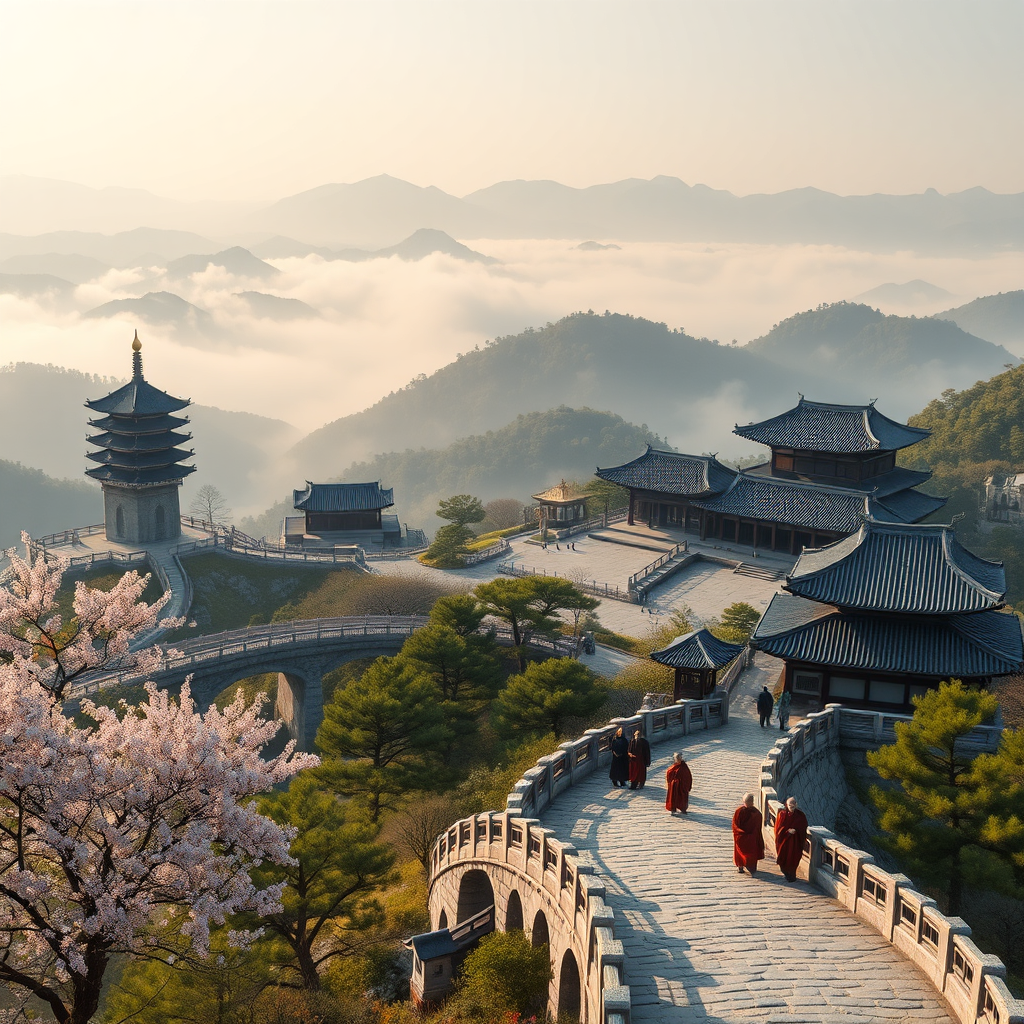
Bulguksa Temple stands as a shining testament to the spiritual and artistic achievements of the Silla Dynasty. Nestled in the lush foothills of Tohamsan Mountain in Gyeongju, this UNESCO World Heritage Site has captivated travelers, historians, and spiritual seekers for centuries. Its story, much like the classic storytelling arc, unfolds in eight transformative stages, offering both a journey through time and a reflection on the enduring values of harmony, resilience, and enlightenment.
1. The Ordinary World: Imagine ancient Silla, a kingdom thriving in culture but yearning for spiritual unity. Bulguksa's site was once a tranquil mountain, untouched, awaiting its destiny.
2. The Call to Adventure: King Gyeongdeok and Prime Minister Kim Daeseong, inspired by Buddhist teachings, envisioned a grand temple that would serve as a bridge between the human and divine. Their call was not just for architecture, but for a spiritual beacon for the nation.
3. Refusal of the Call: The scale of the project was daunting. Building a temple of such magnitude required resources, faith, and the support of the people. Doubts and challenges loomed, yet the vision persisted.
4. Meeting the Mentor: Buddhist monks and master artisans became the guides, infusing the construction with wisdom, artistry, and devotion. Their expertise ensured that every stone and carving reflected the core values of Buddhism: compassion, harmony, and enlightenment.
5. Crossing the Threshold: Construction began in 751 AD, marking a leap from vision to reality. The temple’s iconic structures—Dabotap and Seokgatap pagodas, the ornate bridges, and the golden Buddha halls—rose from the earth, each symbolizing a step towards spiritual awakening.
6. Tests, Allies, and Enemies: Bulguksa endured wars, fires, and the passage of time. Restoration efforts across centuries were acts of collective resilience, demonstrating the community’s commitment to preserving their heritage.
7. The Ordeal: The temple faced near destruction during the Imjin War and later periods of neglect. Yet, like the teachings it enshrines, Bulguksa survived, rebuilt and renewed by those who believed in its significance.
8. The Reward and Return: Today, Bulguksa stands not only as a historical monument but as a living space for meditation, reflection, and cultural celebration. Visitors from around the world walk its serene paths, gaining insights into mindfulness, impermanence, and the beauty of harmonious coexistence.
Why Bulguksa Matters Today
Bulguksa Temple is more than an architectural wonder; it is a wellspring of inspiration for modern life.
Its story teaches us the value of perseverance, the importance of community, and the timeless quest for inner peace.
In a fast-paced world, Bulguksa invites us to slow down, reflect, and reconnect with what truly matters.
- Spiritual Growth: Walking through Bulguksa, one can experience a sense of calm and clarity, a reminder to cultivate mindfulness and gratitude.
- Cultural Insight: The temple’s intricate art and design reveal the depth of Silla’s creativity and the enduring power of cultural heritage.
- Resilience: Bulguksa’s survival through adversity encourages us to persist in our own challenges, drawing strength from history and community.
| Key Features | Symbolism | Life Lessons |
|---|---|---|
| Dabotap & Seokgatap Pagodas | Balance of complexity and simplicity | Embrace both structure and spontaneity |
| Cheongungyo & Baegungyo Bridges | Pathways to enlightenment | Every step is part of the journey |
| Main Buddha Halls | Sanctuary for reflection | Find peace within |
Final Insight:
Bulguksa Temple’s legacy is not just in its stones, but in the spirit it inspires.
Whether you are seeking wisdom, tranquility, or a deeper connection to history, Bulguksa offers a timeless lesson: true treasures are found in harmony—within ourselves and with the world around us.
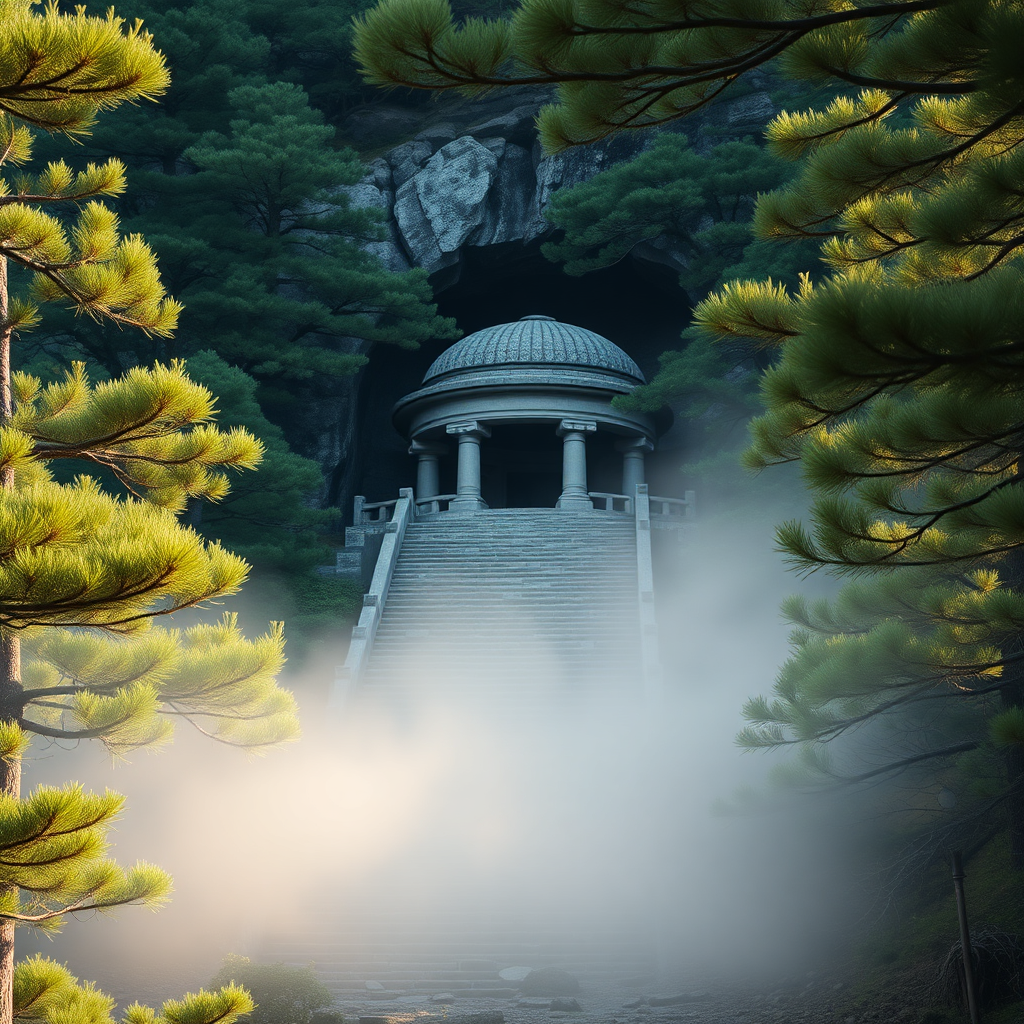
High in the forested slopes of Mount Toham, the Seokguram Grotto awaits those seeking a blend of spiritual tranquility and architectural wonder. As you ascend the winding path, the air grows cooler and the pine trees sway gently, setting the stage for a journey that transcends time and place.
This UNESCO World Heritage Site, completed in the 8th century during the Unified Silla Dynasty, is more than just a stone temple. It is a mountain sanctuary—a place where art, religion, and nature harmoniously converge. Seokguram is a testament to the ingenuity and devotion of ancient Korean artisans, who carved a perfect granite chamber to enshrine a serene Buddha gazing eastward over the East Sea.
- Spiritual Significance: The grotto was designed as a place for meditation and enlightenment, embodying Buddhist cosmology. The main Buddha statue, surrounded by intricate reliefs of bodhisattvas and guardians, radiates peace and compassion. Visitors often describe a sense of calm and introspection, making it a powerful spot for personal reflection.
- Architectural Genius: Every stone in Seokguram was carefully placed, using advanced engineering to create a dome that has withstood centuries of weather and earthquakes. The structure’s ventilation and humidity control systems were ahead of their time, preserving the delicate carvings within.
- Connection with Nature: The location was chosen for its auspicious energy, and the walk through the forest is as much a part of the experience as the grotto itself. The panoramic view from the mountain’s summit is breathtaking, especially at sunrise when the first light bathes the Buddha in gold.
Seokguram Grotto offers more than historical fascination—it provides a blueprint for balance in our busy lives. The harmony between human creativity and the natural world here is a reminder to seek mindfulness and purpose in our own routines.
- Embrace moments of stillness, as the ancient monks did, to gain clarity and inner peace.
- Value craftsmanship and patience; great achievements often require time and care.
- Let nature be your sanctuary. Even a short walk outdoors can refresh your mind and spirit.
- The Ordinary World: You begin your day in the modern city of Gyeongju, surrounded by the bustle of daily life.
- The Call to Adventure: A desire for tranquility and deeper meaning draws you to the legendary Seokguram Grotto.
- Crossing the Threshold: You set out on the forested trail, leaving behind the noise and distractions of the city.
- Trials and Challenges: The climb is steep, your legs tire, but the beauty of the forest and the anticipation of discovery keep you moving.
- Meeting the Goddess: At the summit, you enter the cool, dim grotto. The sight of the Buddha, serene and timeless, fills you with awe.
- Revelation: In the stillness, you realize the value of balance—between effort and rest, noise and silence, past and present.
- Return: Descending the mountain, you carry this insight with you, feeling lighter and more centered.
- Transformation: Back in your daily life, you find yourself more mindful, patient, and connected to the world around you—thanks to the lessons of Seokguram.
| Aspect | Seokguram's Lesson | Life Application |
|---|---|---|
| Mindfulness | Serene meditation chamber | Practice daily reflection |
| Resilience | Enduring stone architecture | Build habits that last |
| Harmony | Integration with nature | Balance work and rest |
Whether you visit in person or in spirit, Seokguram Grotto stands as a beacon of timeless wisdom and peace. Let its story inspire your own journey toward harmony and fulfillment.
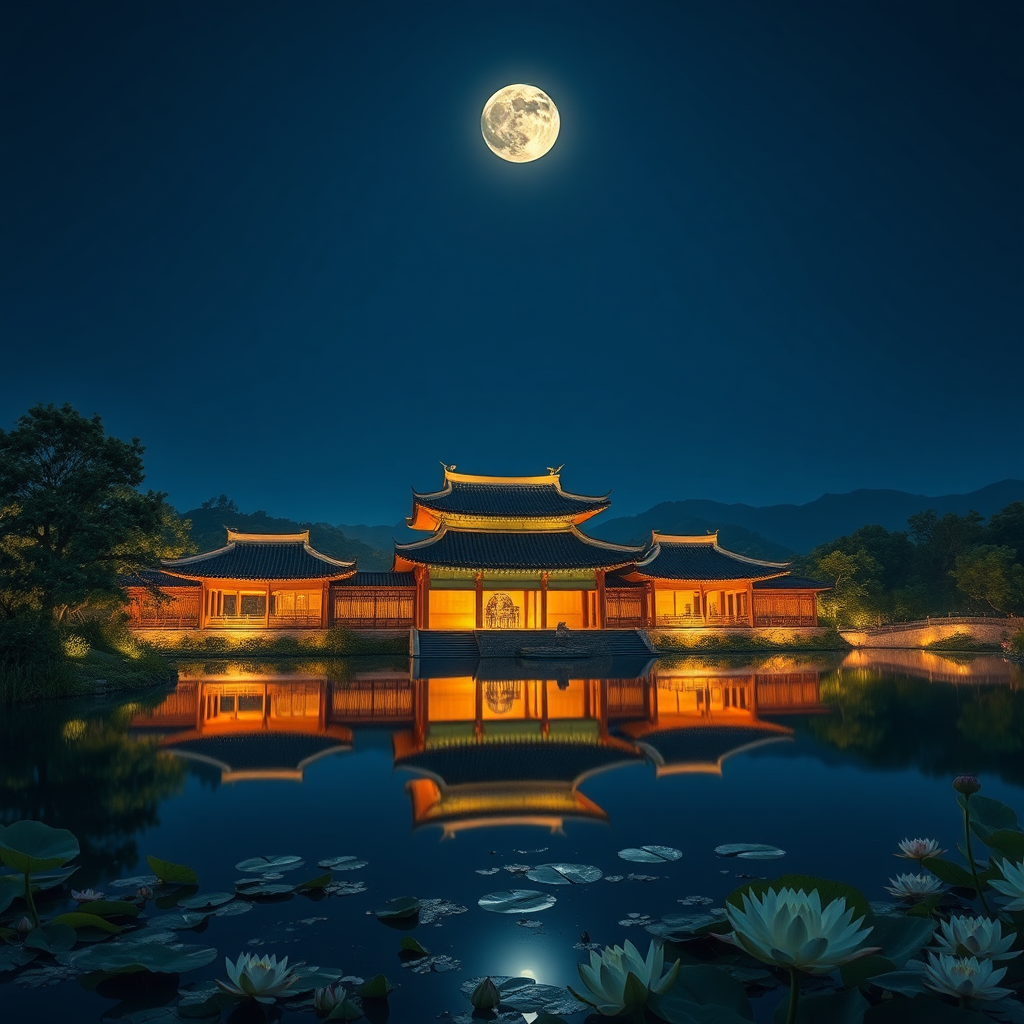
Imagine stepping into a world where the moonlight dances across tranquil waters, and ancient palace walls echo the whispers of Korea's royal past. Donggung Palace and Wolji Pond in Gyeongju, once the secondary palace complex of the Silla Dynasty, is not just a historic site—it is a living story, inviting you to experience the grandeur and serenity of a bygone era.
Let's embark on a journey through Harmon's eight storytelling stages, revealing why this nightscape is a must-see for travelers and culture enthusiasts alike.
- The Setup: You arrive in Gyeongju, the ancient capital, seeking a connection to Korea's timeless treasures. The city is quiet, but anticipation builds as dusk falls.
- The Need: After a day of exploring tombs and temples, you crave something magical—a moment that transcends time and place. Locals suggest a visit to Donggung Palace and Wolji Pond at night.
- Go: As you approach the palace, lanterns illuminate the pathways. The gentle hum of nature and distant laughter set the scene. The air is filled with the scent of blooming lotus and pine.
- Search: Walking along the pond, you marvel at the reflections: ancient pavilions mirrored perfectly in the water, the sky painted in deep indigo. The palace structures, reconstructed with historical precision, glow with soft golden light.
- Find: You pause at the water's edge. Here, the past and present merge. The moonlight, the shimmering pond, and the silhouette of the palace create a sense of peace and awe. You realize this is not just a view—it's an experience that connects you to centuries of royal heritage.
- Take: The beauty moves you to reflect on your own journey. You take photos, but more importantly, you take a moment to be present, to appreciate the harmony between human creation and nature. The nightscape inspires a sense of gratitude and wonder.
- Return: Leaving the palace grounds, you feel lighter, as if you've received a gift from the past. The city lights seem brighter, and your heart is full.
- Change: You carry this memory with you—a reminder to seek beauty in stillness, to honor history, and to cherish moments of quiet reflection. The experience at Donggung Palace and Wolji Pond enriches your perspective, offering insights that linger long after your visit.
- Historical significance: Wolji Pond (formerly Anapji) was constructed in 674 AD for royal banquets and celebrations. Its design reflects the Silla Dynasty's pursuit of harmony between architecture and nature.
- Architectural beauty: The reconstructed pavilions and bridges showcase traditional Korean aesthetics, blending seamlessly with the landscape.
- Peaceful ambiance: The night view offers a unique, meditative atmosphere, perfect for mindfulness and relaxation.
- Photographic opportunities: The interplay of light, water, and history makes it a favorite spot for photographers and artists.
| Aspect | Benefit | Tip |
|---|---|---|
| Nightscape | Enhances mood, offers tranquility | Visit after sunset for best views |
| Historical Learning | Deepens cultural understanding | Read on-site plaques or join a guided tour |
| Photography | Stunning reflections and colors | Bring a tripod for long exposures |
| Mindfulness | Encourages presence and reflection | Find a quiet bench and simply observe |
Practical Insights:
- Best time to visit: Early evening, just after sunset, when the lights come on and the crowds thin out.
- What to bring: Comfortable shoes, a camera, and an open heart ready for inspiration.
- Mindful tip: Take a slow walk around the pond. Let the serene atmosphere help you unwind and reflect.
Donggung Palace and Wolji Pond are more than historical sites—they are places where you can find meaning, peace, and a renewed sense of wonder. If you seek a nightscape that blends history, beauty, and insight, this is your destination.
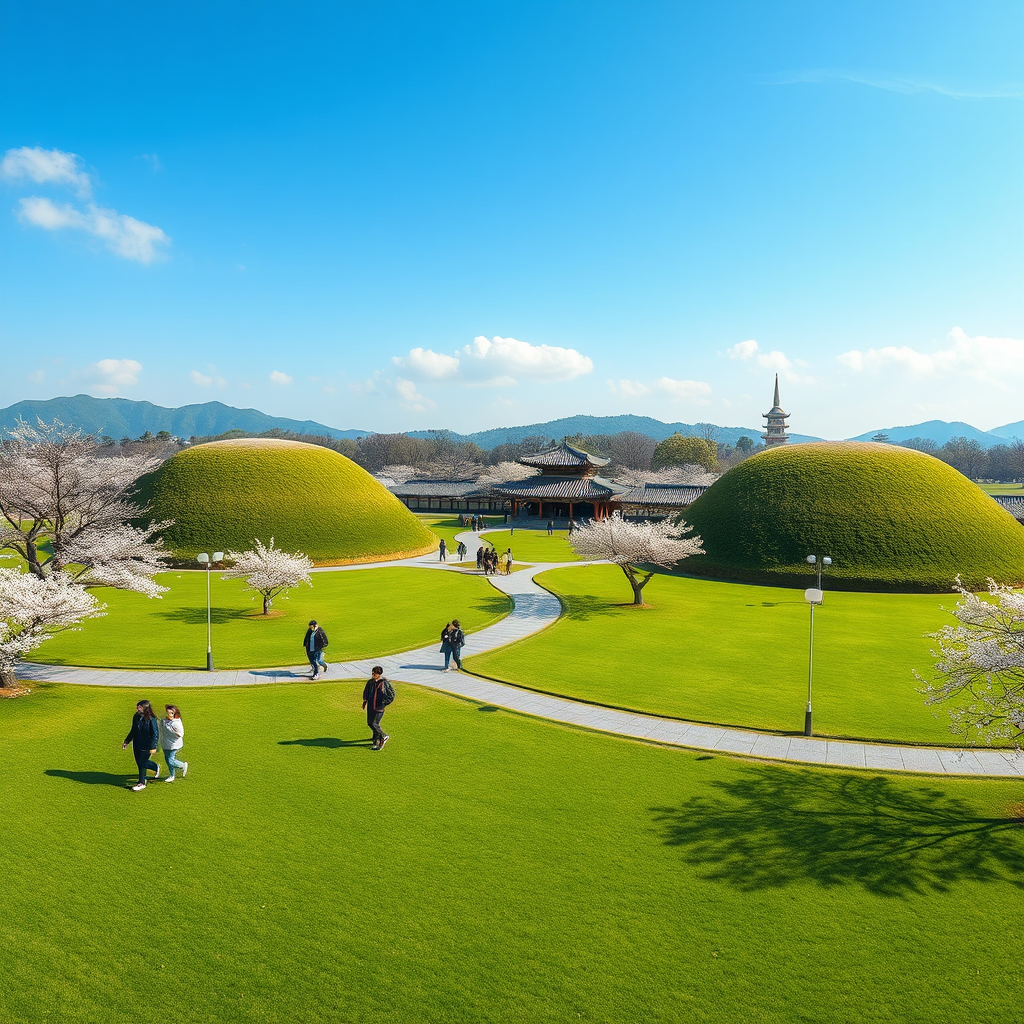
Imagine stepping into a landscape where the whispers of ancient royalty linger in the air. Daereungwon Tumuli Park, nestled in the heart of Gyeongju, is a living testament to Korea’s rich Silla Dynasty heritage. This park, often called the "Valley of Royal Kings," is home to over twenty large earthen burial mounds, each holding secrets of a civilization that flourished over a millennium ago.
Let’s embark on a journey through the classic eight-stage storytelling arc, as we explore how Daereungwon’s legacy can enrich our lives today.
- The Ordinary World: We begin in the present, where modern life is fast-paced and digital. Many of us feel disconnected from our roots and the stories that shaped our cultures.
- Call to Adventure: The majestic tumuli of Daereungwon beckon. Their gentle, grass-covered slopes invite visitors to slow down and reflect on the passage of time and the meaning of legacy.
- Refusal of the Call: It’s easy to dismiss ancient sites as relics of the past, irrelevant to our busy lives. But ignoring history means missing out on lessons that can guide us today.
- Meeting the Mentor: Knowledgeable guides and museum exhibits within the park act as mentors, sharing the stories of kings, queens, and the people of Silla. Through artifacts and reconstructed tombs, we gain insights into ancient values, artistry, and governance.
- Crossing the Threshold: Entering Cheonmachong, the "Heavenly Horse Tomb," visitors are transported into the world of Silla royalty. The treasures unearthed here—gold crowns, weapons, and daily items—bridge the gap between past and present.
- Tests, Allies, and Enemies: As we wander the park, we confront our own preconceptions about history. Fellow travelers become allies, sharing perspectives and sparking curiosity. The real test is to absorb the wisdom embedded in these ancient grounds.
- The Ordeal: Standing before the grandest tombs, we grapple with the impermanence of life and the pursuit of meaning. The Silla kings remind us that true legacy is built not just on power, but on cultural and ethical contributions.
- The Reward: Leaving Daereungwon, we carry with us a renewed sense of connection—to our ancestors, to the land, and to the timeless quest for purpose. The park’s serene beauty and historical depth inspire us to honor our own stories and contribute positively to the world.
Why visit Daereungwon Tumuli Park?
- It offers a rare chance to experience Korea’s ancient heritage up close.
- The park’s tranquil atmosphere provides a perfect setting for reflection and mindfulness.
- Learning about the Silla Dynasty can spark curiosity and appreciation for cultural diversity.
- Exploring the tumuli is a family-friendly, educational adventure that fosters respect for history.
Whether you’re a history enthusiast, a traveler seeking meaning, or simply looking for a peaceful escape, Daereungwon Tumuli Park invites you to step into the shoes of ancient kings and queens. In doing so, you’ll discover that their stories are, in many ways, our own.
| Key Insights | Benefits for Modern Life |
|---|---|
| Understanding cultural heritage | Deepens personal identity and global awareness |
| Reflection on legacy and values | Inspires purposeful living and ethical choices |
| Connection with nature and history | Reduces stress, encourages mindfulness |
Tip: Visit in spring or autumn for the most beautiful scenery, and don’t miss the guided tours for a deeper understanding of Silla’s royal secrets.
Let Daereungwon Tumuli Park be your gateway to Korea’s timeless treasures, and let its lessons echo in your own journey.
- 공유 링크 만들기
- X
- 이메일
- 기타 앱