Un viaje de experiencia única que se disfruta en una hermosa isla.

이미지
Un viaje de experiencia única que se disfruta en una hermosa isla. ​ Índice 1. Planificación del viaje y llegada a la isla 2. Playas imprescindibles y actividades únicas 3. Descubriendo la gastronomía y cultura local 4. Rutas, movilidad en la isla y consejos prácticos ¡Descubre una isla de ensueño: tu próxima aventura inolvidable empieza aquí! ¿Alguna vez has soñado con escapar a una isla donde cada momento te sorprenda? Prepárate para un viaje que te llevará a lugares que parecen sacados de una postal, donde el mar acaricia paisajes de ensueño, las actividades cautivan todos tus sentidos y la autenticidad local te envuelve en historias inolvidables. En esta guía, te mostraré paso a paso cómo disfrutar la máxima experiencia isleña desde la llegada, qué ver, cómo moverte de forma sencilla, recomendaciones de entradas y reservas, parkings y secretos que solo un experto compartiría contigo. No solo visitas una i...

10 Points to Watch When Traveling to Thailand

10 Points to Watch When Traveling to Thailand

Welcome, Future Thailand Explorers!

Are you dreaming of exotic temples, bustling night markets, and golden beaches? If so, Thailand is calling your name! But before you pack your bags, did you know a successful trip to Thailand involves more than just sunscreen and a camera? Understanding local customs, transportation hacks, and hidden dangers can totally transform your travel experience! In the next few minutes, you’ll discover 10 crucial points you must know before landing in Thailand. Missing these could mean overspending, stress, or even culture shock—but learning them now will help you travel safely, smartly, and in harmony with the amazing Thai people. Whether you’re a first-timer or a seasoned explorer, these insights will ensure you make the most of every moment. Scroll on—a smarter, more magical Thai adventure awaits you!

Cultural Awareness and Etiquette

Traveling to Thailand is a journey filled with vibrant colors, tantalizing flavors, and warm smiles. But to truly enjoy your adventure, it's essential to understand and respect the local culture and etiquette. Let’s explore how cultural awareness can transform your trip from ordinary to extraordinary.


In Dan Harmon's classic storytelling structure, our journey begins with a call to adventure: the moment you step into Thailand, you enter a world where ancient traditions blend with modern life. You may feel excited but also uncertain—how do you show respect? What gestures are polite or offensive?


First, let’s highlight a few key etiquette points every traveler should know:

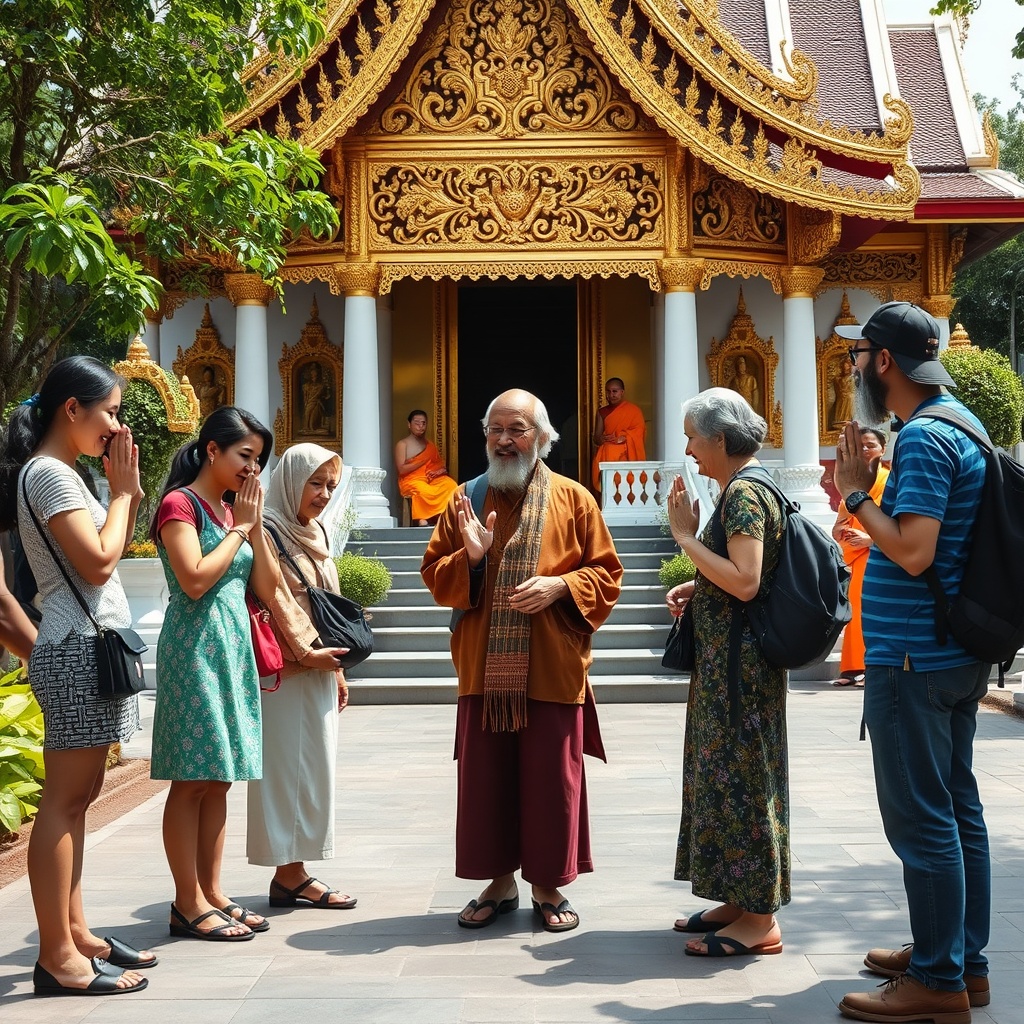
  1. Greeting with a Wai: The traditional Thai greeting, called the "wai," involves pressing your palms together and bowing slightly. It’s a sign of respect, especially when meeting elders or monks.
  2. Respect for the Royal Family: Thais deeply revere their royal family. Avoid any negative comments or jokes, as disrespect is both culturally offensive and legally punishable.
  3. Temple Etiquette: When visiting temples, dress modestly—cover your shoulders and knees. Remove your shoes before entering, and never point your feet at Buddha statues or monks.
  4. Head and Feet: The head is considered sacred, while feet are seen as the lowest part of the body. Avoid touching anyone’s head, and don’t point your feet at people or religious objects.
  5. Public Displays of Affection: While Thailand is friendly, public displays of affection are frowned upon, especially in rural areas or sacred sites.


As you adapt to these customs, you move through the "initiation" phase of your journey. You’ll find that small gestures—like using a gentle tone, smiling, or showing patience—open doors to authentic connections. Thais value politeness and harmony, so try to avoid confrontation or raising your voice.


Here’s a quick table to summarize some essential do’s and don’ts:

Do Don't
Greet with a wai Touch someone’s head
Dress modestly in temples Point your feet at people or images
Show respect for the royal family Raise your voice in public
Remove shoes before entering homes/temples Display affection in public


By embracing these practices, you’ll find yourself welcomed into the heart of Thai society. This is the "return" stage of your journey—armed with new understanding, you’ll leave with not just souvenirs, but meaningful memories and friendships.


In summary, being mindful of cultural awareness and etiquette in Thailand isn’t just about avoiding mistakes. It’s about showing respect, building trust, and enriching your travel experience. So, as you pack your bags, remember: a little cultural sensitivity goes a long way. Safe travels!

↑ 목차로 돌아가기
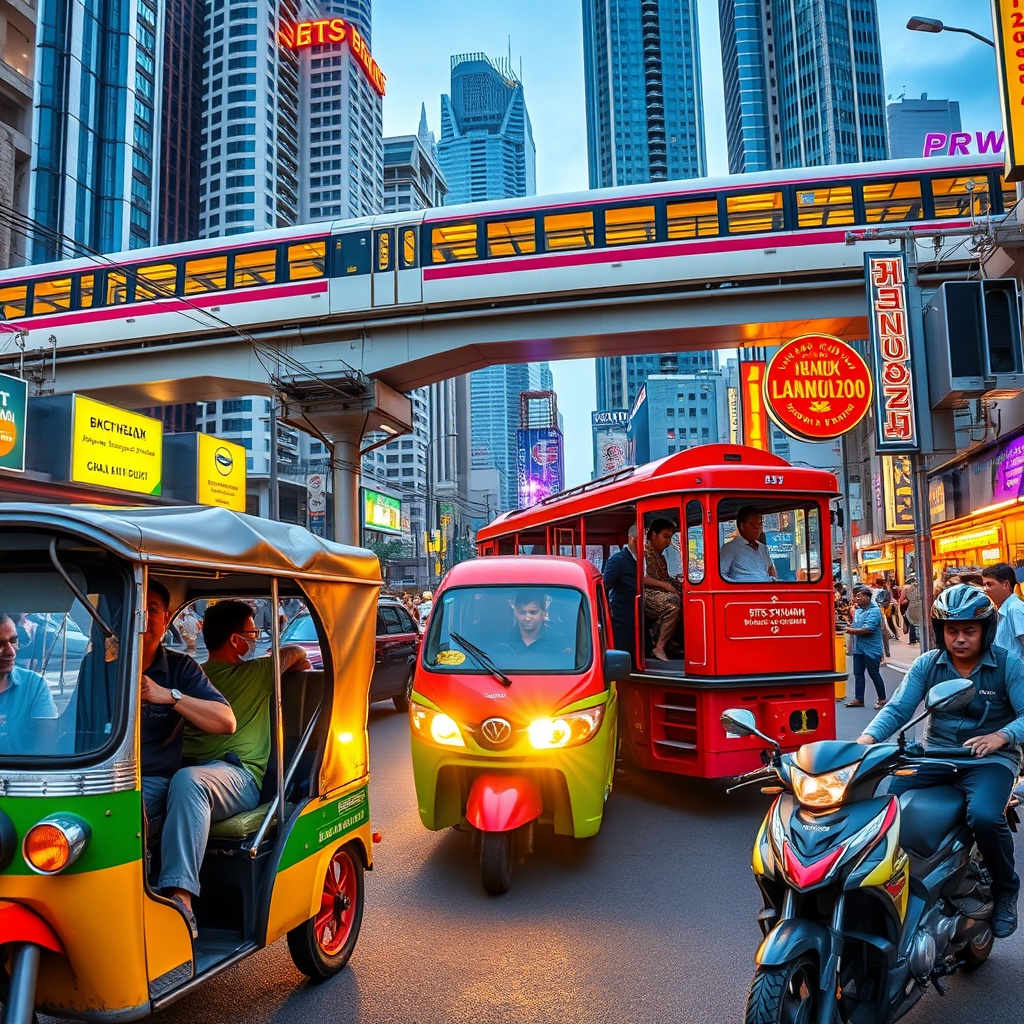
Transportation Tricks in Thailand

Thailand is a country of vibrant cities, lush countryside, and beautiful islands, but getting around can be a unique adventure in itself. Understanding transportation in Thailand is essential for a smooth and enjoyable trip. Let’s explore some practical tricks and insights to help you navigate like a local!


1. Embrace the BTS and MRT in Bangkok

Bangkok’s BTS Skytrain and MRT subway are the fastest and most reliable ways to avoid the city’s notorious traffic jams. Purchase a Rabbit Card or a One-Day Pass for convenience and savings. The trains are clean, air-conditioned, and connect major shopping, business, and tourist districts.


2. Tuk-Tuks: Fun but Negotiate First

Riding a tuk-tuk is a classic Thai experience. However, always agree on the fare before you hop in. Tuk-tuks are best for short distances or when you want a bit of adventure, but they can be pricier than taxis if you don’t negotiate.


3. Metered Taxis: Insist on the Meter

Taxis are plentiful in cities, but some drivers may try to set a fixed price. Politely ask the driver to use the meter ("Meter dai mai?"). If they refuse, simply find another taxi. Taxis are affordable and air-conditioned, making them a comfortable choice for longer trips within the city.


4. Ride-Hailing Apps: Safe and Transparent

Apps like Grab and Bolt have revolutionized urban travel in Thailand. You can easily book a car or motorbike taxi, see the fare upfront, and pay cashless. This is especially helpful if you don’t speak Thai or want to avoid haggling.


5. Songthaews and Local Buses: Budget-Friendly

In smaller cities and towns, songthaews (shared red trucks) and local buses are the main modes of public transport. They are extremely cheap and a great way to experience local life. Just tell the driver your destination and pay when you get off.


6. Ferries and Boats: Island and River Adventures

Heading to the islands or exploring Bangkok’s riverside? Ferries and long-tail boats are both scenic and practical. Always check the schedule and buy tickets from official counters to avoid scams.


7. Renting Scooters: Freedom with Caution

Renting a scooter is popular in places like Chiang Mai, Phuket, and the islands. It offers flexibility and freedom, but always wear a helmet, carry an international driver’s license, and drive defensively. Thai roads can be unpredictable!


8. Domestic Flights: Save Time on Long Distances

Thailand is a large country, and domestic flights are often affordable and time-saving, especially for routes like Bangkok to Chiang Mai or Phuket. Book in advance for the best deals.


9. Night Trains and Buses: Travel While You Sleep

For budget travelers, overnight trains and buses are a smart way to cover long distances and save on accommodation. Book sleeper classes for comfort, and keep your valuables secure.


10. Stay Alert for Scams

While most Thai people are honest and friendly, be cautious of common transportation scams, especially around tourist hotspots. If something feels off, trust your instincts and walk away.


Quick Comparison Table
Transport Type Best For Tips
BTS/MRT Bangkok city travel Buy a day pass for savings
Tuk-Tuk Short trips, fun rides Negotiate fare first
Taxi Comfort, longer city trips Insist on the meter
Grab/Bolt Convenience, safety Use app for clear pricing
Songthaew/Bus Budget travel, local experience Pay when you get off
Scooter Islands, countryside Wear helmet, drive safely

Final Insights

Thailand’s transportation system is diverse and accessible for all budgets. Plan ahead, stay flexible, and don’t be afraid to try something new. Each mode of transport offers a different slice of Thai life. By mastering these transportation tricks, you’ll save time, money, and make your journey even more memorable. Safe travels!

↑ 목차로 돌아가기
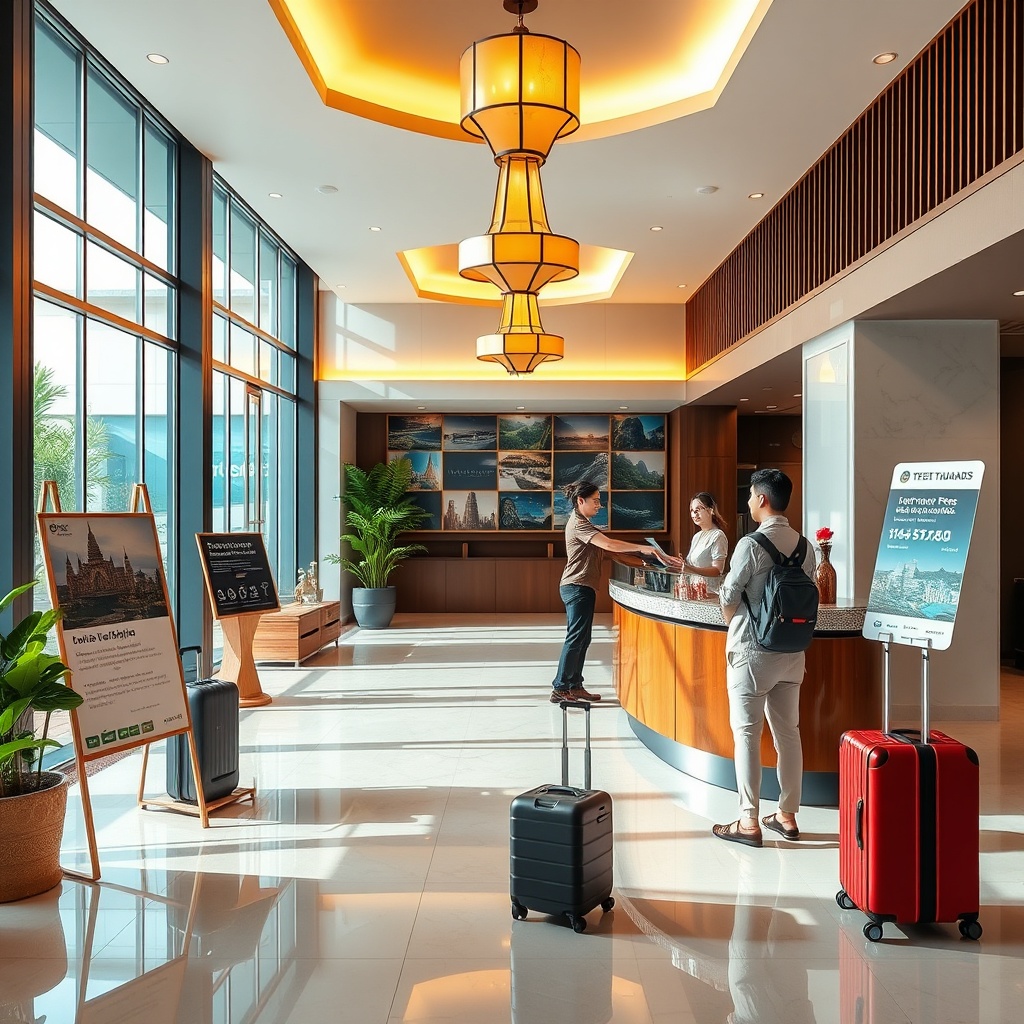
Booking, Entry Fees, and Accommodation Insights

Planning a trip to Thailand? Booking, entry fees, and accommodation are crucial aspects that can make or break your travel experience. Understanding these essentials ensures a smooth, enjoyable, and budget-friendly journey. Let’s walk through the key insights, using a storytelling approach inspired by Harmon's law, to help you navigate your Thai adventure with confidence.


  1. The Ordinary World: You’re dreaming of Thailand’s beaches, temples, and street food. But before you set off, you face the first challenge: how to book smartly and avoid common pitfalls.
  2. The Call to Adventure: You start researching hotels, flights, and attractions. The sheer number of options is overwhelming. Should you book in advance or wait for last-minute deals? What about hidden entry fees at tourist sites?
  3. Refusal of the Call: Doubts creep in. What if you book the wrong place or pay too much? Is it safe to use local booking sites? These questions can paralyze even seasoned travelers.
  4. Meeting the Mentor: You find trusted travel blogs, online communities, and official Thai tourism websites. They offer tips on reliable booking platforms (like Agoda, Booking.com, and Airbnb), and warn about common scams. You learn that booking directly with hotels can sometimes yield better rates or perks.
  5. Crossing the Threshold: You make your first booking! You choose a centrally located hotel in Bangkok, check cancellation policies, and use a credit card for added security. You also discover that many attractions, like the Grand Palace or national parks, have entry fees—and some only accept cash.
  6. Tests, Allies, and Enemies: On arrival, you face new challenges. Some accommodations require a cash deposit. Others offer breakfast, airport pickup, or local tours—sometimes at a premium. Entry fees at temples and parks vary, and dual pricing (different rates for locals and foreigners) is common. Always check the latest prices and bring small bills.
  7. The Ordeal: You encounter a fully booked guesthouse during a festival. Lesson learned: book popular spots early, especially during peak season (November to February). You also realize that some budget hostels have shared bathrooms or no air conditioning. Reading recent reviews helps avoid surprises.
  8. The Reward: With experience, you become a savvy traveler. You compare platforms, use price alerts, and ask about hidden fees. You discover unique stays—like riverside bungalows or boutique hotels—that enhance your trip. You save money by booking directly or during flash sales.
  9. The Road Back: You share your knowledge with fellow travelers, helping them avoid mistakes. You understand that flexibility, research, and local insight are your best allies.
  10. Return with the Elixir: Your trip is smooth, affordable, and memorable. You’ve mastered the art of booking, budgeting for entry fees, and choosing the right accommodation in Thailand.

Booking Tip Entry Fee Insight Accommodation Advice
Use reputable platforms; check cancellation policies Carry cash for temples, parks; check for dual pricing Read recent reviews; clarify amenities before booking
Book early for peak season or festivals Confirm fees in advance; keep small bills handy Consider location and transport options
Contact hotels directly for possible discounts Some sites offer online tickets—skip the queue! Ask about deposits, breakfast, and late check-out

Key Takeaways:

  • Research and compare before booking—platforms like Agoda and Booking.com are widely used in Thailand.
  • Be aware of entry fees at major attractions; always have some cash on hand.
  • Read the fine print on accommodation—look for amenities, cancellation policies, and guest reviews.
  • Booking early, especially during festivals or high season, can save you from last-minute stress.
  • Flexibility and local insight will help you get the most value for your money.

By following these insights on booking, entry fees, and accommodation, you’ll set yourself up for a truly great trip to Thailand. Safe travels and enjoy every moment!

↑ 목차로 돌아가기
Safety, Health, and Traveler Essentials

Traveling to Thailand is an adventure filled with vibrant culture, delicious food, and breathtaking landscapes. But before you pack your bags, it's crucial to prepare for your journey by understanding the essentials of safety, health, and what every traveler needs to thrive in the Land of Smiles.


1. Stay Aware and Informed

Thailand is generally safe, but like any popular destination, petty theft and scams can occur, especially in tourist hotspots. Always keep your belongings secure, use hotel safes, and be cautious when approached by overly friendly strangers or unofficial tour guides. Download local emergency numbers and the contact info for your embassy, just in case.


2. Health Precautions

Health is a top priority when traveling. Thailand's tropical climate means mosquito-borne illnesses like dengue and Zika are present. Pack insect repellent and wear long sleeves in the evenings. Drink only bottled or filtered water, and be mindful of street food hygiene. It's wise to have travel insurance that covers medical emergencies and check if any vaccinations are recommended before your trip.


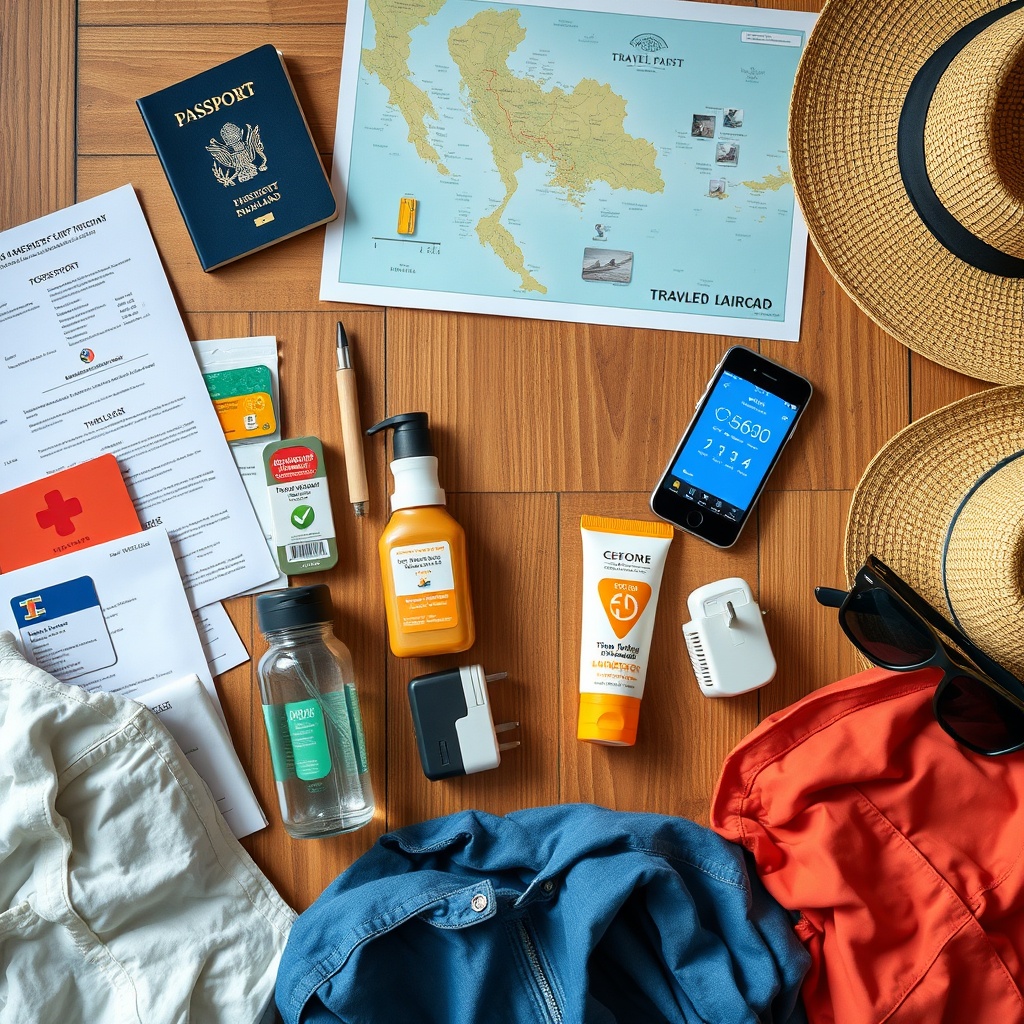
3. Essential Travel Gear
  1. Lightweight Clothing: The weather is hot and humid, so breathable fabrics are a must.
  2. Sun Protection: Bring sunscreen, a hat, and sunglasses to shield yourself from intense UV rays.
  3. Reusable Water Bottle: Stay hydrated while reducing plastic waste.
  4. Power Adapter: Thailand uses types A, B, C, F, and O plugs (220V). A universal adapter is a lifesaver.
  5. First Aid Kit: Include basics like band-aids, antiseptic, and any personal medications.

4. Respect Local Laws and Customs

Respect is key in Thai culture. Dress modestly when visiting temples, remove shoes before entering homes or sacred spaces, and avoid touching anyone's head (a sacred part of the body in Thai culture). Drug laws are strict, and penalties are severe. Always carry a copy of your passport and visa.


5. Emergency Contacts and Communication

Purchase a local SIM card for affordable data and calls. Save the numbers for local police (191), tourist police (1155), and your country's embassy. Having Google Translate or a Thai phrasebook can be invaluable in emergencies.


Essential Why It's Important Pro Tip
Travel Insurance Covers medical emergencies, theft, and cancellations Choose a plan with 24/7 support
Vaccinations Prevents common tropical diseases Consult your doctor 4-6 weeks before travel
Local SIM Card Stay connected and access maps Buy at the airport for convenience
First Aid Kit Immediate response to minor injuries Include rehydration salts for hot days

Quick Tips for a Smooth Trip ▼
  • Always carry small change for street vendors and taxis.
  • Use ride-hailing apps like Grab for safer transportation.
  • Keep a digital and paper copy of your important documents.
  • Learn a few basic Thai phrases; locals appreciate the effort!

Remember, being prepared means you can focus on enjoying the best of Thailand—its people, food, and natural wonders. With these safety, health, and travel essentials in mind, your adventure will be not only memorable but also worry-free.

↑ 목차로 돌아가기

이 블로그의 인기 게시물

Jeju Island: Hidden Gem of Korea

Discover Jeju Island's Majestic Hallasan

Un viaje de experiencia única que se disfruta en una hermosa isla.