Un viaje de experiencia única que se disfruta en una hermosa isla.

이미지
Un viaje de experiencia única que se disfruta en una hermosa isla. ​ Índice 1. Planificación del viaje y llegada a la isla 2. Playas imprescindibles y actividades únicas 3. Descubriendo la gastronomía y cultura local 4. Rutas, movilidad en la isla y consejos prácticos ¡Descubre una isla de ensueño: tu próxima aventura inolvidable empieza aquí! ¿Alguna vez has soñado con escapar a una isla donde cada momento te sorprenda? Prepárate para un viaje que te llevará a lugares que parecen sacados de una postal, donde el mar acaricia paisajes de ensueño, las actividades cautivan todos tus sentidos y la autenticidad local te envuelve en historias inolvidables. En esta guía, te mostraré paso a paso cómo disfrutar la máxima experiencia isleña desde la llegada, qué ver, cómo moverte de forma sencilla, recomendaciones de entradas y reservas, parkings y secretos que solo un experto compartiría contigo. No solo visitas una i...

8 Things You Need To Know Before You Go On A Vietnam Trip

8 Things You Need To Know Before You Go On A Vietnam Trip

Dreaming of Your Perfect Vietnam Adventure?

Vietnam—vivid, diverse, and endlessly surprising—beckons passionate travelers from every corner of the world. But the difference between a life-changing adventure and a chaotic trip often comes down to the details. Are you truly prepared? If you’re wondering about the essential things you must know before boarding that plane, you’ve landed on the right blog post! Whether it's your first backpacking journey through Southeast Asia or your next cultural escape, our in-depth guide unveils not only what to prepare, but how to make your trip unforgettable, safe, and smooth. Don’t risk missing out on hidden gems or getting stuck in travel chaos—read on to start your Vietnam journey the right way!

Visa & Entry Requirements

Before you pack your bags for Vietnam, one of the most crucial things to research is the visa and entry requirements. Understanding these rules will save you from unnecessary stress at the airport and ensure a smooth start to your adventure.


Let’s break down the essentials you need to know, following the classic storytelling arc to guide you through this important step of your Vietnam trip.


1. The Ordinary World: Dreaming of Vietnam

You’re excited about exploring Vietnam’s vibrant cities, delicious street food, and breathtaking landscapes. But before your journey begins, you need to check if you require a visa. For many travelers, this is the first challenge to overcome.

2. The Call to Adventure: Checking Requirements

Visa requirements for Vietnam depend on your nationality, the length of your stay, and your travel purpose. Some countries enjoy visa exemptions for short visits, while others must apply in advance. Always check the latest information on the official Vietnamese government website or consult your local embassy.

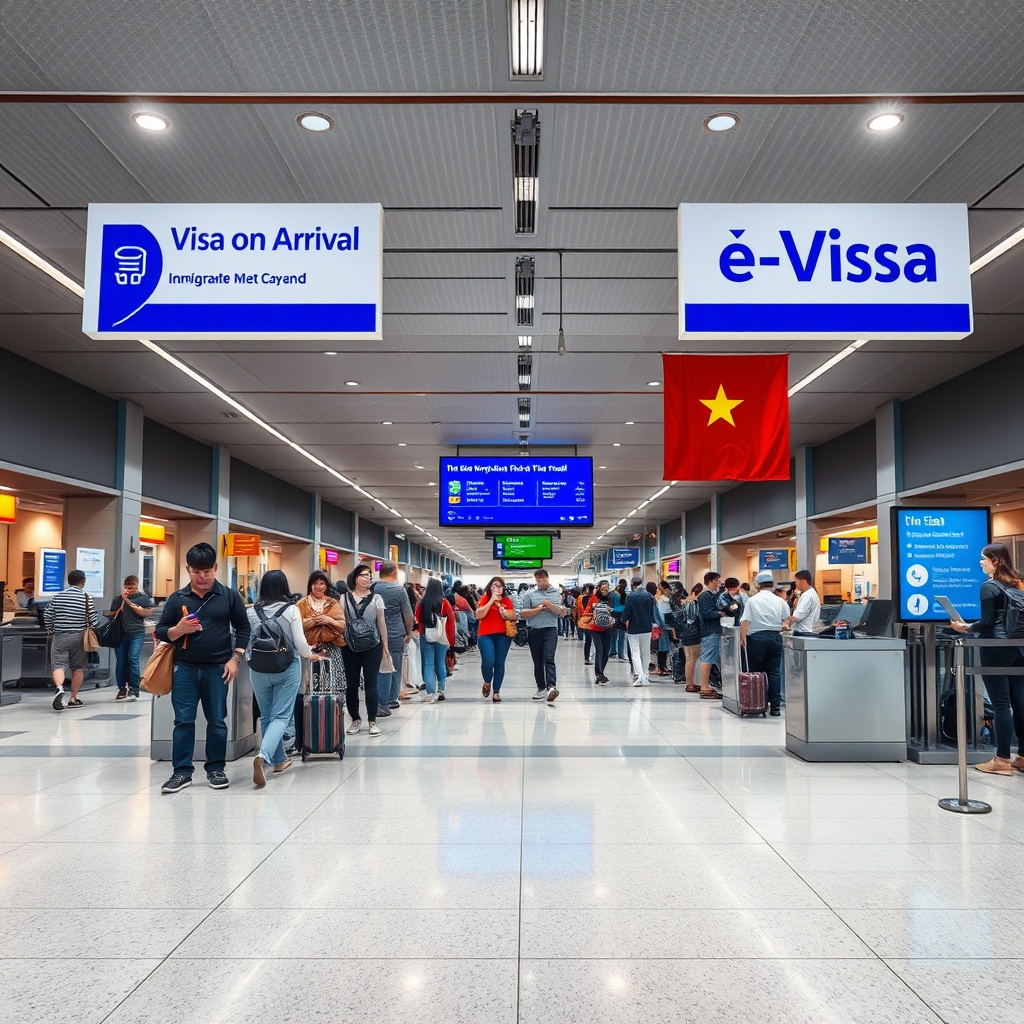
  • Visa-free entry: Citizens of certain countries (e.g., South Korea, Japan, most ASEAN countries) can enter Vietnam without a visa for 14-45 days.
  • e-Visa: Available for over 80 nationalities, valid for 90 days, single or multiple entry.
  • Visa on Arrival: Only for air travelers with pre-approval letter.
3. Refusal of the Call: Overlooking the Details

It’s tempting to skip the fine print, but missing a requirement can result in denied boarding or entry. Don’t let excitement cloud your judgment—double-check your passport validity (at least 6 months from entry date) and have passport-sized photos ready if needed.

4. Meeting the Mentor: Seeking Guidance

Online travel forums, official embassy websites, and seasoned travelers are invaluable resources. They can help you understand which visa option suits your itinerary and how to avoid common mistakes. Knowledge is your best travel companion.

5. Crossing the Threshold: Applying for Your Visa

Once you’ve gathered the right documents, it’s time to apply. The e-Visa process is straightforward—apply online, upload your documents, and pay the fee. For Visa on Arrival, arrange a pre-approval letter through a reputable agency. Always keep digital and printed copies of your visa approval and supporting documents.

6. Tests, Allies, and Enemies: At the Border

Upon arrival, immigration officers will check your documents. Be polite, patient, and have everything ready. Entry requirements may include proof of onward travel or accommodation. During busy periods, expect some waiting time at the counter.

7. The Reward: Entry Granted

With the right preparation, you’ll breeze through immigration and officially begin your Vietnam adventure. Having your visa sorted means you can focus on what matters most—enjoying the culture, food, and sights.

8. The Return: Lessons Learned

After your trip, you’ll realize how crucial it was to understand Vietnam’s visa and entry requirements. Share your experience with future travelers, and remember: thorough preparation leads to stress-free travel.


Visa Type Who Can Apply Duration Key Notes
Visa-Free Entry Selected countries 14-45 days Check country list, non-extendable
e-Visa 80+ nationalities Up to 90 days Apply online, single/multiple entry
Visa on Arrival Air travelers only Up to 90 days Pre-approval letter required

Key Takeaways:
  1. Check your eligibility and the latest requirements before booking flights.
  2. Apply for the correct visa type and keep all documents handy.
  3. Stay updated on entry rules, especially during global events or policy changes.

By mastering the visa process, you’re one step closer to an unforgettable Vietnam trip. Safe travels!

↑ 목차로 돌아가기
Getting Around Vietnam: Transportation Tips

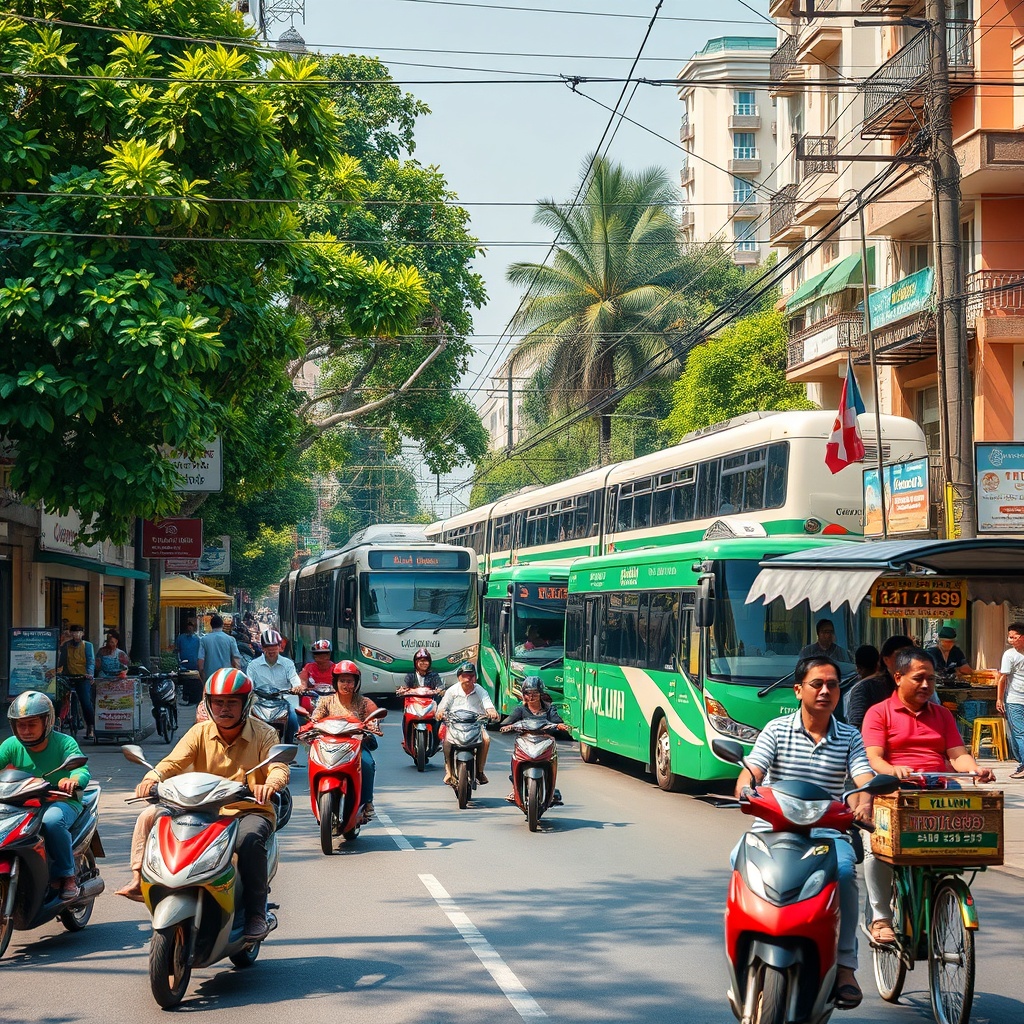
Traveling across Vietnam is an adventure in itself. Before you pack your bags, it's essential to understand the transportation options available and how to navigate them efficiently. Whether you're exploring the bustling streets of Hanoi, the historic alleys of Hoi An, or the energetic chaos of Ho Chi Minh City, knowing how to get around will make your trip smoother and more enjoyable.


1. Domestic Flights: Vietnam is a long, narrow country, so domestic flights are often the fastest way to travel between major cities. Airlines like Vietnam Airlines, VietJet Air, and Bamboo Airways offer frequent, affordable flights. Booking in advance can save you money, especially during peak seasons. This is ideal for covering large distances, such as from Hanoi to Ho Chi Minh City.


2. Trains: The Reunification Express connects the north and south, running from Hanoi to Ho Chi Minh City. Train travel is scenic and comfortable, with options ranging from hard seats to soft sleeper cabins. While slower than flying, it's a great way to see the countryside and interact with locals. Remember to book your tickets early, especially for overnight journeys.


3. Buses: Vietnam's bus network is extensive and budget-friendly. Sleeper buses are popular for long distances, offering beds instead of seats. For shorter trips, local buses are a good choice, but be prepared for crowded conditions and less predictable schedules. Use reputable companies for intercity travel, and always keep your valuables secure.


4. Motorbikes: For the adventurous, renting a motorbike offers unmatched freedom. It's the most popular way to explore cities and rural areas alike. However, traffic can be chaotic, especially in big cities. Always wear a helmet, carry an international driving permit, and ensure your travel insurance covers motorbike accidents. If you're not confident riding, consider hiring a motorbike taxi (xe ôm) or using ride-hailing apps like Grab.


5. Taxis and Ride-Hailing Apps: Taxis are widely available, but it's wise to use reputable companies such as Mai Linh or Vinasun to avoid scams. Ride-hailing apps like Grab and Gojek are popular in major cities, offering transparent pricing and the convenience of cashless payment. These apps can be used for both cars and motorbikes.


6. Cyclos and Bicycles: In tourist hotspots, you might encounter cyclos (three-wheeled bicycle taxis). They're a charming way to see the sights at a leisurely pace, but always agree on the price beforehand. Renting a bicycle is another eco-friendly option, especially in smaller towns like Hoi An or Hue.


Key Transportation Tips for Vietnam:
  1. Always negotiate or confirm the fare before starting your journey, especially with taxis, cyclos, and xe ôm.
  2. Download essential apps: Grab, Google Maps, and a translation app will be invaluable.
  3. Keep small change handy for local buses and short rides.
  4. Stay alert in traffic—Vietnamese roads can be unpredictable!
  5. Plan your routes in advance during holidays like Tet, when transportation is in high demand.

Mode Best For Pros Cons
Domestic Flights Long distances Fast, convenient Airports may be far from city centers
Trains Scenic travel Comfortable, safe Slower, limited routes
Buses Budget travel Cheap, frequent Can be crowded, variable comfort
Motorbikes City & rural exploration Flexible, adventurous Risky, requires experience
Ride-Hailing Apps Urban areas Easy, transparent Limited in rural areas

By understanding your transportation options and planning ahead, you can maximize your time, save money, and experience Vietnam like a local. Safe travels and enjoy the journey!

↑ 목차로 돌아가기
Cultural Etiquette & Local Customs

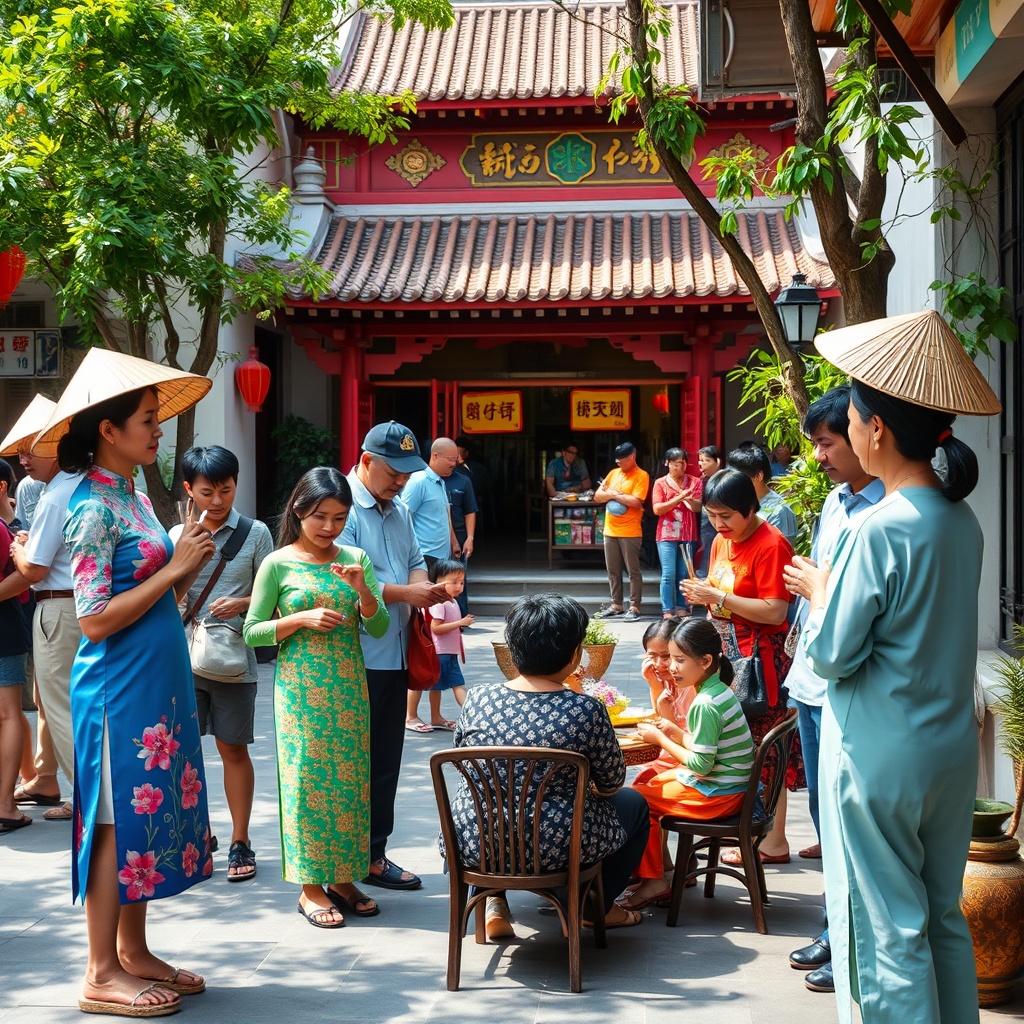
Traveling to Vietnam is an exciting adventure, but to truly enjoy your trip and connect with locals, understanding cultural etiquette and local customs is essential. Let’s walk through the key insights you need before you pack your bags.

1. The Call to Adventure: Why Etiquette Matters

Every journey begins with curiosity. In Vietnam, being aware of social norms opens doors to authentic experiences and respectful interactions. Ignoring etiquette can lead to awkward moments or even offend your hosts. If you want your Vietnam trip to be memorable for the right reasons, cultural sensitivity is your first step.

2. Crossing the Threshold: Greetings & Communication

Vietnamese people greet with a gentle smile and a slight bow. A handshake is common, but it’s softer than in Western cultures. Address elders first and use respectful titles like "Anh" (older brother) or "Chi" (older sister). Speaking softly and calmly is appreciated; loud voices may be seen as rude. Remember, a smile is your best universal language!

3. Tests & Allies: Dress Code & Body Language

Modesty is valued. When visiting temples or rural areas, cover your shoulders and knees. Avoid public displays of affection. Pointing your feet at people or religious objects is considered disrespectful. Always remove your shoes before entering someone’s home. These small gestures show respect and help you gain trust.

4. Approach to the Inmost Cave: Dining Etiquette

Sharing a meal is a key part of Vietnamese culture. Wait for the eldest to start eating. Don’t stick chopsticks upright in your rice – it resembles funeral rites. Instead, rest them on the chopstick holder or bowl. If you’re invited to someone’s home, bring a small gift like fruit or sweets. It’s a warm way to say thank you.

5. The Ordeal: Navigating Social Taboos

There are some important don’ts: avoid touching someone’s head, as it’s considered sacred. Don’t lose your temper in public – saving face is crucial in Vietnam. Also, avoid discussing sensitive topics like politics or the Vietnam War unless your host brings it up first.

6. The Reward: Deeper Connections

By embracing these customs, you’ll notice locals are more open and welcoming. They’ll appreciate your effort to understand their culture, and you’ll gain access to hidden gems and genuine hospitality. This is where the magic of travel truly happens.

7. The Road Back: Everyday Interactions

Practice patience in crowded places and always ask permission before taking photos of people, especially monks or ethnic minorities. Learn a few Vietnamese phrases like "Xin chào" (hello) and "Cảm ơn" (thank you). It goes a long way in building rapport.

8. The Return with the Elixir: Insights for a Meaningful Journey

Respecting Vietnamese etiquette and local customs isn’t just about following rules – it’s about showing empathy and curiosity. These small acts will enrich your trip, help you avoid misunderstandings, and create lasting memories. As you prepare for your Vietnam adventure, remember: a little cultural awareness brings a lot of joy.


Custom Do Don't
Greetings Smile, soft handshake, address elders first Be loud or overly familiar
Dress Code Dress modestly, cover shoulders/knees in temples Wear revealing clothes in rural/holy places
Dining Wait for elders, bring a small gift Stick chopsticks upright in rice
Social Taboos Stay calm, respect personal space Touch heads, lose temper, discuss politics
Quick Tips for Travelers ▼
  • Learn basic Vietnamese greetings
  • Always remove shoes before entering homes
  • Ask before taking photos of people
  • Carry a scarf for temple visits

With these travel tips and cultural etiquette insights, you’re ready to explore Vietnam with confidence and respect. Enjoy your journey!

↑ 목차로 돌아가기
Budgeting & Safety
Budgeting & Safety

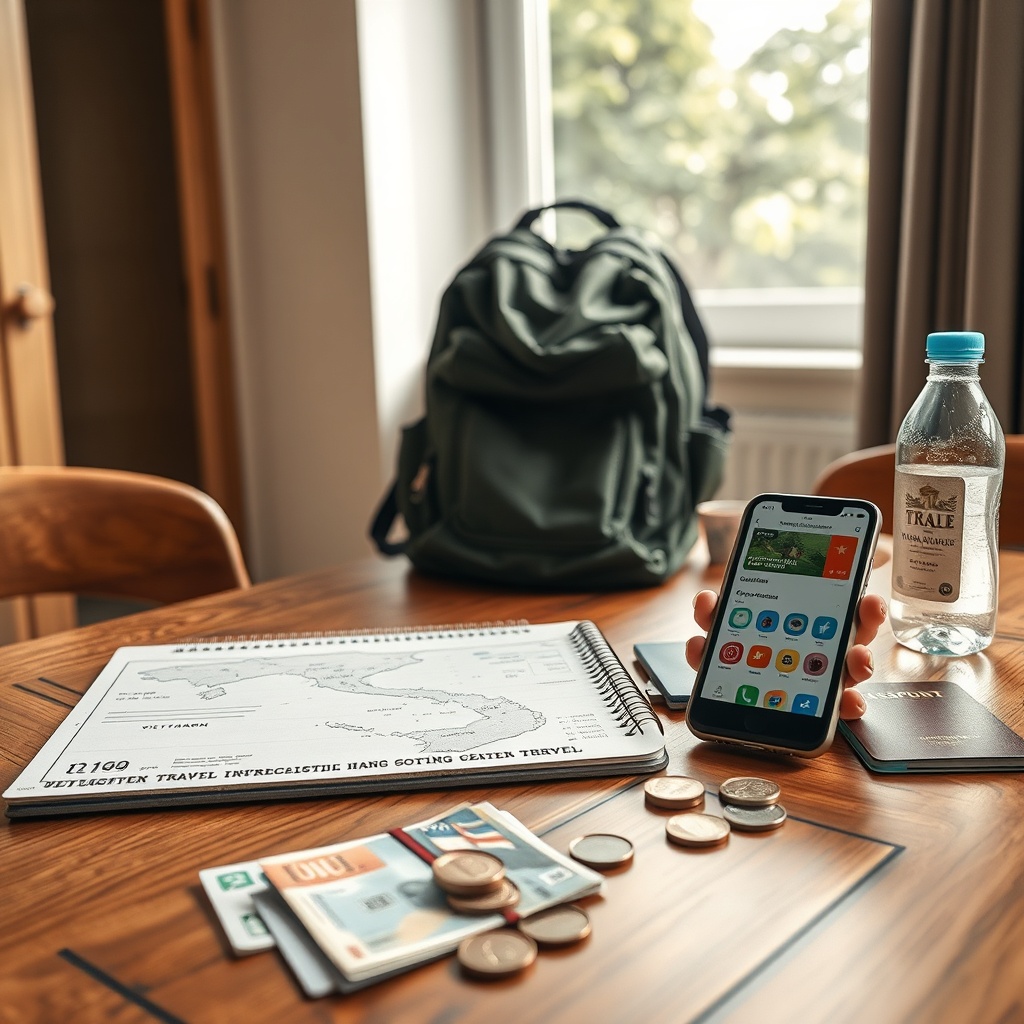
Before you set off on your Vietnam adventure, understanding how to budget wisely and keep yourself safe is essential. These two aspects can truly shape your travel experience, turning it from stressful to smooth and memorable.


1. The Call to Adventure: Dreaming of Vietnam

Every journey begins with a dream. You imagine vibrant street markets, breathtaking landscapes, and delicious street food. But before you book your flight, the reality of budgeting and safety starts to sink in. Can you afford this trip? Will you be safe in a new environment?


2. Refusal of the Call: The Worries

It's normal to feel overwhelmed. News about scams, pickpocketing, or budget overruns can make you hesitate. Many travelers worry about getting ripped off or falling ill, especially when visiting a country as dynamic as Vietnam.


3. Meeting the Mentor: Learning from Others

Luckily, countless travelers have gone before you. Their advice—shared in blogs, forums, and guidebooks—can be your guide. They recommend setting a daily budget, using local apps for taxis, and always carrying a copy of your passport.


4. Crossing the Threshold: Setting Your Budget

Vietnam is known for being affordable, but costs can add up if you’re not careful. Set a realistic daily budget (often $30–$50 per day for mid-range travel). Factor in accommodation, food, transport, entrance fees, and a little extra for unexpected expenses. Use apps like XE Currency for real-time exchange rates, and always have some cash on hand, as many places don’t accept cards.


Expense Estimated Cost (USD) Tips
Accommodation $10–$40/night Book in advance for deals
Food $5–$15/day Eat local for savings
Transport $2–$10/day Use Grab or local buses
Activities $5–$20/day Research free attractions

5. Tests, Allies, and Enemies: Navigating Safety

Vietnam is generally safe, but like anywhere, it pays to be cautious. Petty theft can happen in crowded areas. Use a money belt, keep your valuables secure, and avoid flashing expensive items. Trust your instincts—if something feels off, walk away. Always check reviews before booking tours or accommodation.


  1. Be street smart: Stick to well-lit areas at night and avoid isolated streets.
  2. Use reputable transport: Apps like Grab are safer than random motorbike taxis.
  3. Health precautions: Drink bottled water, and be cautious with street food if you have a sensitive stomach.
  4. Travel insurance: Never skip it. Medical care is affordable, but emergencies can be costly.

6. Approach to the Inmost Cave: Handling Unexpected Challenges

Even with the best planning, things can go wrong. Maybe you lose your wallet, or get caught in a scam. Stay calm. Contact your embassy if you lose important documents. Most Vietnamese people are friendly and willing to help if you ask politely.


7. The Ordeal: Overcoming Obstacles

There might be moments when you feel lost or frustrated. Maybe you’re over budget, or you feel uneasy in a new city. Take a deep breath. Adjust your plans, cut back on spending, or reach out to fellow travelers for advice. Remember, every challenge is a lesson.


8. The Reward: Confidence and Insight

By the end of your trip, you’ll realize that budgeting and safety aren’t just about saving money or avoiding trouble—they’re about empowering yourself to travel with confidence. You’ll return home with stories, new friends, and the knowledge that you can handle whatever comes your way.


Key Takeaways:

  • Set a daily budget and track your spending.
  • Use local apps and cash for convenience.
  • Stay alert, trust your instincts, and get travel insurance.
  • Don’t let fear stop you—Vietnam is waiting to be explored!

With these insights, your Vietnam trip will be not only affordable and safe, but also truly enriching. Happy travels!

↑ 목차로 돌아가기

이 블로그의 인기 게시물

Jeju Island: Hidden Gem of Korea

Discover Jeju Island's Majestic Hallasan

Un viaje de experiencia única que se disfruta en una hermosa isla.