How to plan a trip to the world's natural attractions
- 공유 링크 만들기
- X
- 이메일
- 기타 앱
Ready to Discover the World’s Wonders? Here’s Your Guide!
Have you ever dreamed of standing before the thundering force of Victoria Falls, walking along the glassy blue of Lake Louise, or trekking through the emerald forests of Jeju Island? Planning a trip to the world’s greatest natural attractions isn’t just about collecting stamps in your passport—it’s about creating unforgettable stories and finding awe in the beauty of the Earth. But where do you start? From choosing unique destinations and mapping out logistics to booking entry and securing the best modes of transport, each decision shapes your experience. In this comprehensive guide, you’ll find easy-to-follow steps, sample schedules, colorful tips, and all the reservation info you need. Plus, discover how to journey smoothly on public transport, secure parking, and even reserve your tickets in advance. Let’s embark on this adventure together and unlock the secrets to your next breathtaking encounter with nature!
Every great adventure begins with a question: Where should I go? When planning a trip to the world's natural attractions, choosing your natural wonder is the crucial first step that sets the tone for your entire journey.
Let's embark on this decision-making process using the classic storytelling structure, inspired by Harmon's law. We'll walk through the stages of curiosity, discovery, and commitment—so you can select a destination that truly resonates with your spirit of exploration.
You start at home, scrolling through photos of the Grand Canyon, the Northern Lights, or the Great Barrier Reef. The world is full of natural wonders, but which one calls to you? Think about what inspires you most: vast mountains, deep forests, or crystal-clear waters. This is the moment to reflect on your personal interests and what you hope to gain from your journey—whether it's adventure, relaxation, or a sense of awe.
Maybe you saw a documentary about Patagonia, or a friend returned from Iceland with glowing stories. This spark of curiosity is your call to adventure. Ask yourself: What type of landscape excites me? What climate do I prefer? Do I want to hike, swim, photograph, or simply observe? Keyword tip: Start searching for 'top natural attractions,' 'bucket list nature destinations,' or 'unique natural wonders.'
Doubts are natural. Concerns about cost, distance, or safety might creep in. This is the time to address your hesitations. Research accessibility, travel advisories, and seasonal weather. Remember, every explorer faces uncertainty—what matters is how you respond. Use resources like travel blogs, official park websites, and social media for real stories and tips.
Seek guidance from those who have gone before you. Join online forums, watch travel vlogs, or connect with local guides. Mentors can help you refine your choice and offer invaluable advice on the best times to visit, hidden gems, and how to minimize your environmental impact. Keyword tip: Look for 'sustainable travel,' 'eco-friendly destinations,' and 'local guides for nature trips.'
Now, commit to your choice. Book your flight, reserve your park permit, or sign up for that guided trek. This is where your dream transforms into reality. Celebrate this decision—it's the first step in your personal story of discovery.
- Define your priorities: Are you seeking solitude, adventure, or cultural immersion? Let your goals guide your destination.
- Consider accessibility: Some wonders require strenuous hikes, while others are easily reached by car or train. Match your choice to your physical ability and travel style.
- Research the best season: Timing can make or break your experience. For example, the Northern Lights are best seen in winter, while mountain trails may be safest in summer.
- Assess environmental impact: Choose destinations that promote sustainable tourism and respect local ecosystems.
- Check for permits and regulations: Some natural attractions require advance booking or have visitor limits to protect fragile environments.
| Natural Wonder | Best Season | Accessibility | Unique Experience |
|---|---|---|---|
| Grand Canyon | Spring/Fall | Car, shuttle, hiking | Stunning vistas, hiking trails |
| Great Barrier Reef | June-November | Boat, snorkeling, diving | Coral reefs, marine life |
| Patagonia | November-March | Guided tours, hiking | Glaciers, dramatic landscapes |
| Northern Lights (Iceland) | September-March | Car, guided tours | Aurora borealis, winter scenery |
Choosing your natural wonder is more than just picking a place on the map—it's about aligning your adventure with your values, interests, and dreams. With thoughtful planning, you can ensure your journey is not only memorable but also meaningful. Happy exploring!
Planning a trip to the world's natural attractions is both exciting and challenging. The key to a memorable journey is creating an itinerary that balances breathtaking scenery with practical efficiency. Whether you're dreaming of hiking through Patagonia, marveling at the Northern Lights, or exploring the lush rainforests of Costa Rica, a thoughtful plan ensures you make the most of every moment.
Let's walk through a proven, story-driven approach to itinerary planning, inspired by Harmon's 8-stage storytelling formula. This method helps you structure your adventure for maximum impact and enjoyment, turning your trip into a personal hero's journey.
Begin by identifying your interests, physical limits, and travel goals. Are you seeking adventure, relaxation, or a mix of both? Consider your travel companions and their preferences. This self-awareness sets the foundation for a trip that feels both rewarding and manageable.
Let curiosity guide you. Dive into travel blogs, documentaries, and social media for inspiration. Use keywords like natural wonders, eco-travel, and scenic routes to discover hidden gems. Create a shortlist of must-see attractions, then map them geographically to visualize your route.
It's tempting to pack your itinerary, but less is often more. Factor in travel times, weather, and the need for rest. Prioritize quality over quantity—spending more time in fewer places leads to deeper experiences and less burnout.
- Transportation: Compare options (car, train, bus, flights) for each leg. Look for scenic routes that add value to the journey itself.
- Accommodation: Choose lodgings close to nature—think eco-lodges, campsites, or local guesthouses.
- Permits & Timing: Check for entry permits, park hours, and best visiting seasons to avoid crowds and maximize your experience.
Reach out to local guides, rangers, or travel communities. Their insights can help you discover off-the-beaten-path spots and avoid common pitfalls. This not only enriches your trip but also supports sustainable tourism.
Nature is unpredictable. Build flexibility into your itinerary for weather changes, trail closures, or spontaneous discoveries. Always have a backup plan and pack essentials for safety and comfort.
Leave space in your schedule for unplanned moments—sunrise hikes, local food tastings, or simply soaking in the scenery. These often become the highlights of your adventure.
After your trip, review what worked and what you'd change next time. Share your story and tips with fellow travelers, helping to inspire and inform the next wave of modern explorers.
| Step | Key Action | Travel Benefit |
|---|---|---|
| Research | Use digital tools and local resources | Find unique attractions, avoid tourist traps |
| Logistics | Optimize routes and timing | Save time, reduce stress |
| Flexibility | Allow for spontaneity | Enhance enjoyment, adapt to surprises |
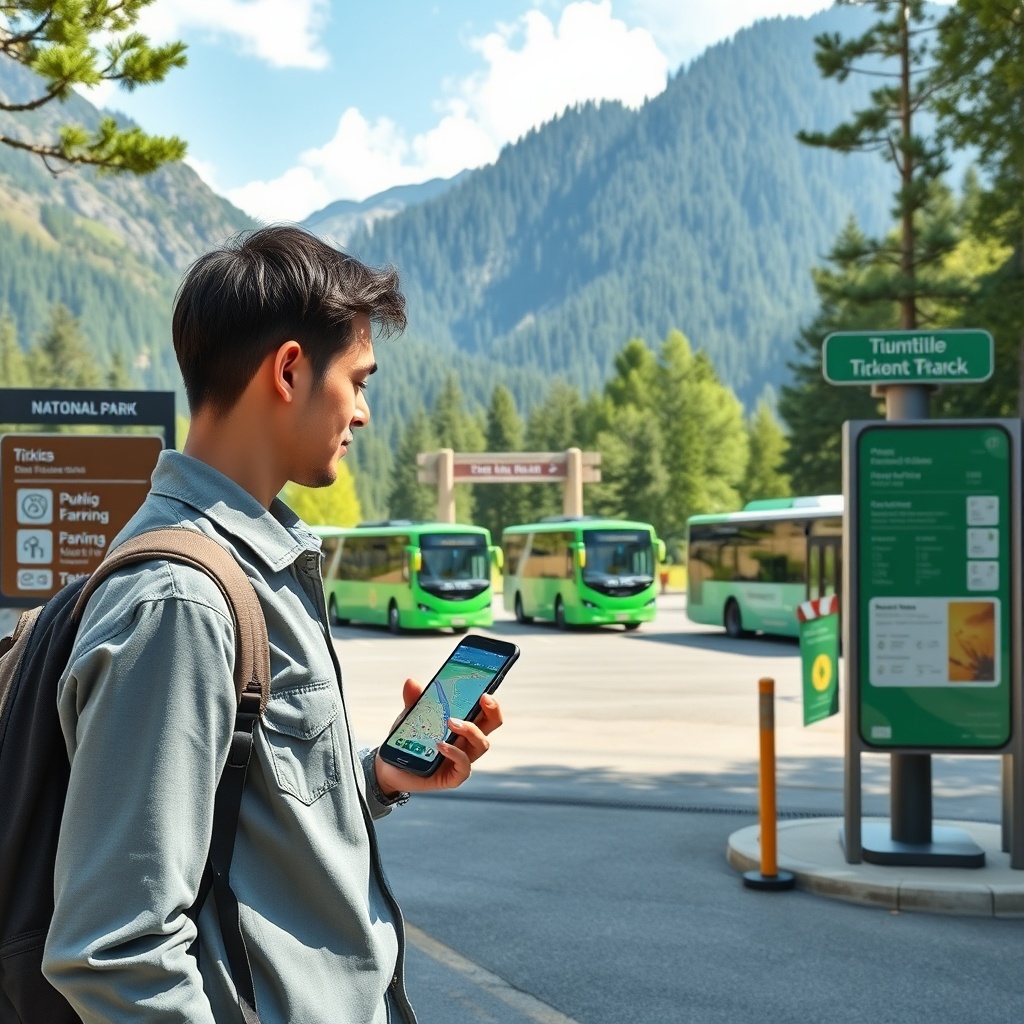
Planning a trip to the world's most stunning natural attractions is exhilarating, but getting there efficiently can make or break your adventure. Smart navigation is the key to a seamless experience, especially when dealing with public transport, ticketing, and parking at popular destinations.
Understanding the Journey: The Call to Adventure
Every explorer starts with a dream: standing at the edge of a majestic canyon, hiking through ancient forests, or witnessing the sunrise over a pristine lake. But before the awe, there’s a challenge—how do you get there, and how do you make the journey smooth and stress-free?
Research and Preparation: Crossing the Threshold
Begin by researching the public transport options available to your chosen natural attraction. Many parks and reserves now offer shuttle buses, trains, or eco-friendly transport to reduce congestion and environmental impact. Check official websites for up-to-date schedules, seasonal routes, and any special passes for tourists. Keywords: public transport, eco-friendly travel
- Download Local Transit Apps: Most cities and national parks have dedicated apps that provide real-time updates, route maps, and ticket purchasing options. These apps can help you avoid language barriers and plan transfers efficiently.
- Purchase Tickets in Advance: For popular attractions, buying tickets ahead of time is crucial. Not only does this save you from long queues, but it often comes with discounts or guaranteed entry during peak seasons. Look for combo tickets that include both entry and transport.
- Understand Parking Logistics: If you must drive, research parking facilities in advance. Many natural attractions have limited parking, requiring early arrival or pre-booked spots. Some areas offer remote lots with shuttle service to the main site—these are often less crowded and more sustainable.
| Aspect | Tips | Benefits |
|---|---|---|
| Public Transport | Use apps for schedules and tickets | Reduces stress, saves time |
| Tickets | Buy online in advance | Skip lines, secure entry |
| Parking | Reserve spots or use shuttles | Eco-friendly, avoids congestion |
Meeting the Mentor: Learning from Others
Travel forums, blogs, and social media groups are goldmines for insider tips. Learn from fellow explorers about the best times to visit, hidden parking lots, or less crowded shuttle stops. This knowledge can help you avoid common pitfalls and make your journey smoother.
Overcoming Obstacles: The Road of Trials
Even with careful planning, unexpected challenges may arise—delayed buses, full parking lots, or sudden weather changes. Stay flexible. Always have a backup plan, such as alternative routes or nearby attractions to visit if your first choice is inaccessible. Keywords: travel planning, backup plan
Reaping the Rewards: The Return with the Elixir
When you arrive at your destination without stress, you’ll have more energy and focus to truly enjoy nature’s wonders. Smart navigation not only saves time and money but also supports sustainable tourism by reducing your environmental footprint.
In summary, modern explorers thrive by blending technology with thoughtful planning. Embrace digital tools, learn from others, and always stay adaptable. With these strategies, your journey to the world’s natural attractions will be as memorable as the destination itself.
Quick Checklist for Smart Navigation ▼
- Check public transport schedules and routes
- Download local transit and ticketing apps
- Purchase entry and transport tickets in advance
- Research parking options and reserve if possible
- Prepare a backup plan for unexpected changes
Keywords: smart navigation, public transport, travel planning, eco-friendly travel, backup plan
Planning a trip to the world's natural attractions is more than just booking a flight and packing your bags. It’s about thoughtful preparation, understanding the nuances of each destination, and uncovering local secrets that can turn a good trip into an unforgettable adventure.
Step 1: The Call to Adventure – Choosing Your Destination
Every great journey begins with inspiration. Are you drawn to the lush rainforests of Costa Rica, the vast canyons of the American Southwest, or the mystical Northern Lights in Iceland? Start by researching natural attractions that align with your interests and values. Use trusted travel blogs, UNESCO World Heritage lists, and social media for authentic reviews and images.
Step 2: Crossing the Threshold – Making Reservations
Once you’ve chosen your destination, it’s time to secure your spot. Many natural wonders, such as Machu Picchu or the Galápagos Islands, require advance reservations due to limited daily admissions. Visit official park websites for up-to-date information on permits, tickets, and entry times. For popular sites, book at least 3-6 months ahead to avoid disappointment.
Step 3: Tests, Allies, and Enemies – Navigating Admission Rules
Admission processes can be tricky. Some locations, like Yellowstone or Banff, offer day passes at the gate, while others, such as Antelope Canyon, require guided tours booked through local operators. Be mindful of seasonal closures, conservation efforts, and COVID-19 protocols. If you’re traveling internationally, check visa requirements and health advisories as well.
Step 4: Approach to the Inmost Cave – Discovering Local Secrets
Here’s where the magic happens. Talk to locals, join online forums, or use apps like Atlas Obscura to find hidden trails, off-peak visiting hours, or family-run eateries near the attraction. Sometimes, the best views or experiences aren’t on the main path. For example, locals near Iguazu Falls might direct you to a lesser-known panoramic spot or a quiet sunrise hike.
Step 5: The Ordeal – Overcoming Challenges
Even the best-laid plans can face obstacles: weather changes, overbooked tours, or language barriers. Prepare by downloading offline maps, learning a few key phrases in the local language, and having backup activities. Remember, flexibility is key to a successful adventure.
Step 6: The Reward – Immersing in the Experience
With careful planning, you’ll enjoy the natural attraction with fewer crowds and more authentic moments. Savor the sights, sounds, and smells. Take time to connect with the environment and reflect on the journey.
Step 7: The Road Back – Sharing and Preserving
As you return, consider how you can give back. Share your experiences through responsible storytelling, leave positive reviews for local guides, and support conservation efforts. Your insights can help future explorers make the most of their trips.
Step 8: The Return with the Elixir – Lifelong Lessons
Every adventure changes us. The knowledge gained from navigating reservations, admissions, and local secrets will make you a more mindful and resourceful traveler. You’ll be ready for your next journey—armed with practical tips and a deeper appreciation for the world’s natural wonders.
| Attraction | Reservation Tip | Local Secret |
|---|---|---|
| Machu Picchu | Book permits 6 months in advance | Visit early morning for fewer crowds |
| Banff National Park | Reserve campsites online | Sunrise at Moraine Lake is magical |
| Antelope Canyon | Guided tour required, book ahead | Ask guides about best photo spots |
| Iguazu Falls | Buy tickets online for faster entry | Explore both Argentine and Brazilian sides |
Quick Tips for Modern Explorers ▼
- Always check official websites for the latest updates.
- Use eco-friendly travel practices to protect natural sites.
- Engage with local communities for a richer experience.
- Keep digital and physical copies of all reservations.
With these insights, your next adventure to the world’s natural attractions will be smoother, more meaningful, and truly memorable. Happy exploring!
- 공유 링크 만들기
- X
- 이메일
- 기타 앱