It's enough in Korea! Introduce 7 beautiful destinations
- 공유 링크 만들기
- X
- 이메일
- 기타 앱
Welcome, Adventurous Travelers!
Are you searching for authentic beauty and a touch of magic far from overhyped tourist traps? Korea is bursting with hidden gems and iconic wonders, offering a perfect blend of ancient culture and futuristic charm. If you’ve ever wondered where you’ll find tranquil landscapes, vibrant cityscapes, and unique local flavors all together—this is your answer! This guide meticulously crafts a dreamy, doable 7-destination journey with tips for transport, sightseeing, and seamless exploration. Whether you're a passionate solo explorer or planning your next family adventure, discover why just ‘being in Korea’ is enough. Dive in—you’ll soon have a trip that becomes your favorite story to tell.
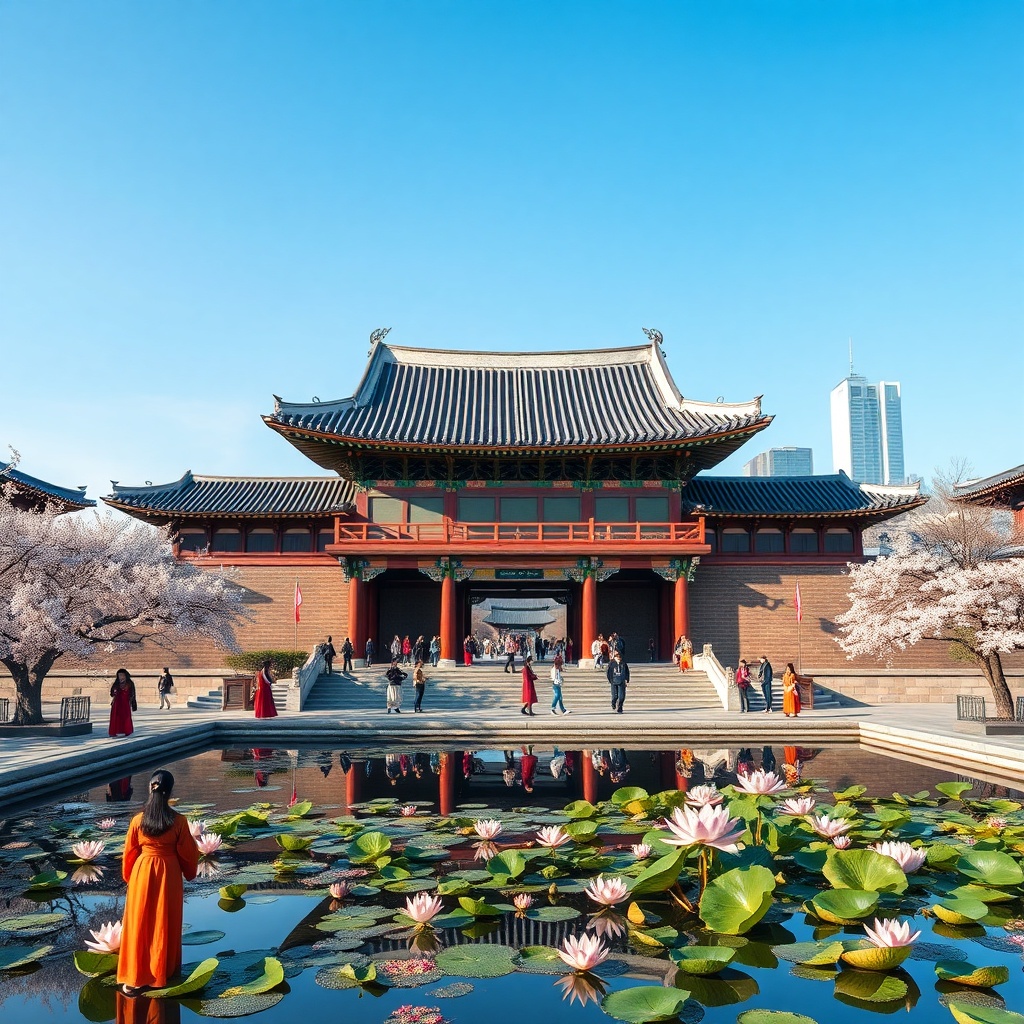
Imagine stepping into a storybook, where ancient kings and queens once walked. Gyeongbokgung Palace, nestled in the heart of Seoul, is more than just a historical site—it's a living symbol of Korea's resilience, beauty, and cultural pride.
Let’s embark on a journey using the classic 8-stage storytelling formula inspired by Harmon's law, to truly appreciate why Gyeongbokgung should be on your must-visit list.
- The Setup: You arrive in bustling Seoul, seeking a meaningful experience beyond shopping and street food. The city is vibrant, but you crave a deeper connection to Korea’s roots.
- The Need: You feel a longing to understand Korea’s history and spirit. Modern life is fast-paced, and you wish to slow down and reflect.
- Go: You decide to visit Gyeongbokgung Palace, the grandest of the Five Grand Palaces built during the Joseon Dynasty. As you approach, the majestic Gwanghwamun Gate greets you, its stone lions standing guard.
- Search: Walking through the palace grounds, you marvel at the intricate architecture, the tranquil lotus ponds, and the harmony between buildings and nature. The changing of the guard ceremony catches your eye—a colorful, time-honored tradition.
- Find: In the serene courtyards, you find yourself slowing down. You imagine the lives of scholars, royals, and artisans who once called this place home. You realize how Gyeongbokgung has survived wars, fires, and modern upheaval, yet stands proud.
- Take: You join a guided tour, learning about the symbolism in every roof tile and painting. You discover the meaning of "Gyeongbok": "Greatly Blessed by Heaven." The palace’s story mirrors Korea’s journey—overcoming adversity, embracing renewal.
- Return: Leaving the palace, you feel a new sense of peace and inspiration. The palace’s beauty and history linger in your mind, reminding you of the importance of resilience and cultural heritage.
- Change: You carry this insight with you, appreciating the balance between tradition and progress. Gyeongbokgung is not just a tourist attraction; it’s a lesson in harmony, endurance, and the power of remembering where we come from.
- It’s a cultural landmark that offers a window into Korea’s royal past.
- The palace grounds are perfect for reflection and relaxation, even in the heart of a busy city.
- Participating in the hanbok experience (traditional clothing rental) lets you immerse yourself in history.
- It’s a photographer’s paradise, with every season offering a different charm—from cherry blossoms to autumn leaves.
| Highlight | Why It Matters |
|---|---|
| Changing of the Guard | Connects you to living traditions |
| Lotus Ponds & Gardens | Promotes mindfulness and peace |
| Hanbok Experience | Deepens cultural appreciation |
| Architectural Details | Reveals Korea’s artistic heritage |
Visiting Gyeongbokgung Palace is not just about sightseeing. It’s about reconnecting with the past, finding moments of stillness, and carrying home a piece of Korea’s indomitable spirit.
So, next time you’re in Seoul, don’t just pass by—step inside, and let the palace’s story become part of your own journey.
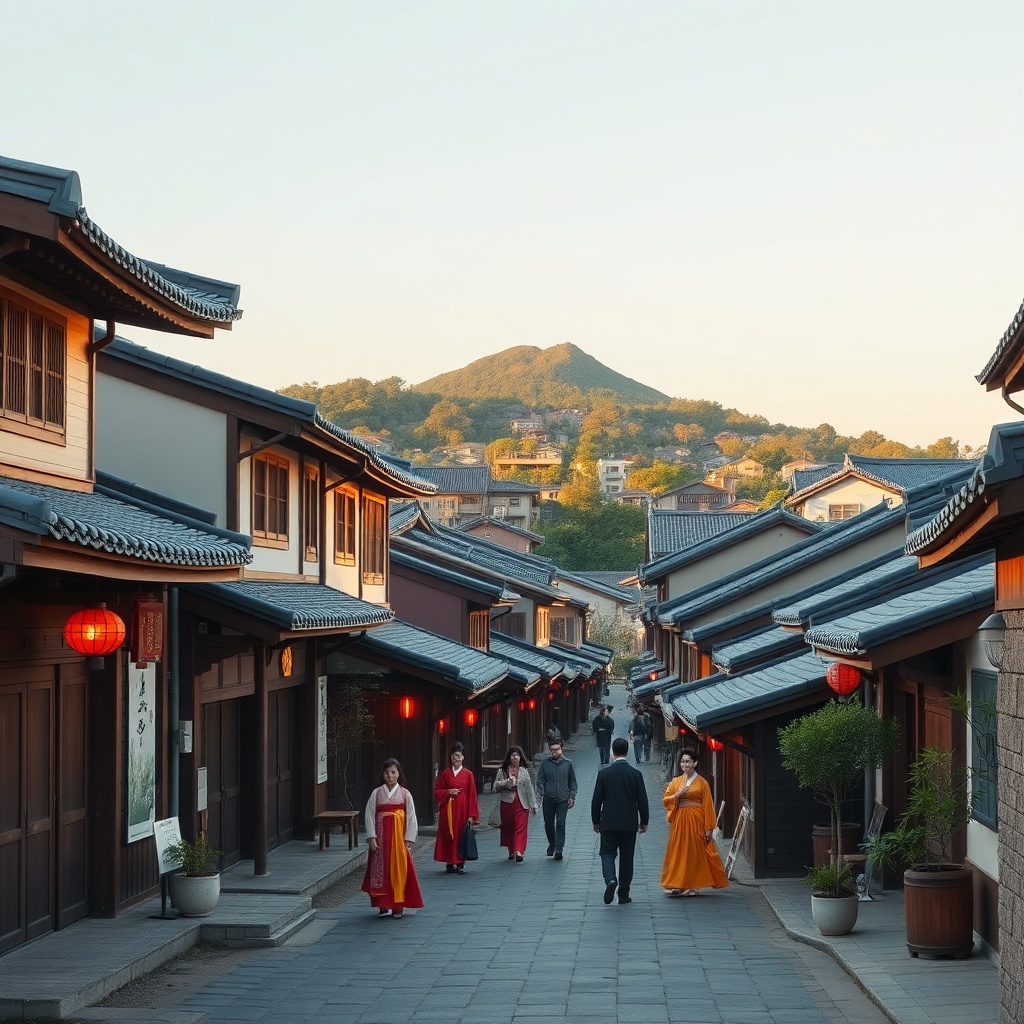
Imagine stepping into a living storybook, where the charm of old Korea breathes in every alleyway. Jeonju Hanok Village is not just a destination—it's a journey back in time, offering visitors a chance to experience the beauty of traditional Korean culture and architecture in a way that feels both magical and deeply authentic.
Following the classic 8-stage storytelling structure, let's explore why Jeonju Hanok Village is a must-visit for anyone traveling to Korea:
- The Ordinary World: Most of us live in modern cities, surrounded by glass towers and fast-paced routines. The longing for a slower, more meaningful connection with history is real.
- The Call to Adventure: You hear about Jeonju Hanok Village—a place where over 700 hanok (traditional Korean houses) line peaceful streets, inviting you to discover a different side of Korea.
- Refusal of the Call: Maybe you wonder, "Is it worth the trip?" or "Will it be too touristy?"
- Meeting the Mentor: Locals and guides, dressed in hanbok, share stories of their ancestors, food traditions, and the art of hanji (Korean paper), inspiring you to look deeper.
- Crossing the Threshold: As you step through the village gate, the world transforms—wooden rooftops curve gracefully, and the scent of freshly made bibimbap fills the air.
- Tests, Allies, and Enemies: You navigate narrow alleys, taste traditional street snacks, and try your hand at crafts. The challenge? Choosing between so many cultural experiences!
- The Ordeal: You climb Omokdae Hill for a panoramic view, your heart racing with the effort and the beauty of the scene below. Here, you realize the true value of preserving heritage.
- The Reward: You leave with not just photos, but a deeper appreciation for Korea's history, and perhaps a handmade souvenir or two.
Why is Jeonju Hanok Village so special?
- Authentic Hanok Experience: Stay overnight in a real hanok, sleep on heated floors, and wake up to the sound of birds.
- Food Paradise: Jeonju is the birthplace of bibimbap, and the village is filled with cozy restaurants and street food stalls.
- Cultural Workshops: Try making hanji crafts, calligraphy, or even rent a hanbok for the perfect photo.
- Festivals and Events: From the Jeonju Hanji Culture Festival to traditional music performances, there's always something happening.
Visiting Jeonju Hanok Village is more than sightseeing—it's about connecting with Korean heritage, slowing down, and gaining new perspectives on life. The village teaches us the value of tradition, the beauty of simplicity, and the importance of community.
| Highlight | What to Expect | Benefit |
|---|---|---|
| Hanok Stay | Traditional accommodation, heated floors | Unique, restful experience |
| Bibimbap | Authentic taste in its birthplace | Culinary delight, cultural immersion |
| Workshops | Crafts, calligraphy, hanbok rental | Hands-on learning, memorable souvenirs |
| Festivals | Music, hanji, cultural events | Vibrant atmosphere, deeper understanding |
Insider Tips for Your Visit ▼
- Visit early in the morning or late afternoon for fewer crowds and magical lighting for photos.
- Rent a hanbok to blend in and enjoy discounts at many attractions.
- Don't miss the Jeondong Catholic Church and Gyeonggijeon Shrine nearby.
- Try the local makgeolli (rice wine) at a traditional tavern.
Jeonju Hanok Village is a place where the past and present meet, where every traveler can find inspiration, and where the spirit of Korea truly comes alive. Put it on your bucket list—you won't regret it!
When it comes to unforgettable beach experiences in Korea, Gangneung Gyeongpo Beach is a destination that truly stands out. Nestled on the east coast, this stunning beach is famous for its golden sands, crystal-clear waters, and a unique blend of natural beauty and vibrant local culture.
According to Harmon's storytelling formula, every adventure begins with a sense of normalcy. For many travelers, daily life is filled with routines and screens. The call to adventure comes in the form of a longing for something more—a place to unwind, reconnect with nature, and experience authentic Korean seaside life. Gyeongpo Beach is the answer to that call.
As you arrive, the gentle sound of waves and the fresh sea breeze immediately transport you to a different world. The beach stretches for nearly 6 kilometers, offering plenty of space for relaxation, beach sports, and peaceful walks. Sunrise at Gyeongpo is a must-see—locals and visitors alike gather to witness the sky painted in hues of orange and pink, a moment that feels almost magical.
But the journey doesn't stop at the shoreline. Gyeongpo Lake, just behind the beach, is a serene spot perfect for cycling or a tranquil stroll under cherry blossoms in spring. The area is also rich in culture, with the historic Ojukheon House and the Chodang Tofu Village nearby, offering a taste of Gangneung's heritage and culinary delights.
For those seeking adventure, water sports like paddleboarding and windsurfing are readily available. The summer season brings lively festivals, music, and food stalls, creating a vibrant atmosphere. Yet, even in the quieter months, the beach's peaceful charm remains, making it a year-round destination.
Visiting Gyeongpo Beach isn't just about sightseeing—it's about transformation. The gentle rhythm of the waves, the scent of pine trees, and the taste of fresh seafood invite you to slow down and savor the moment. Many travelers leave with a renewed sense of calm and inspiration, ready to return to their lives with new energy and perspective.
- Wake up early to catch the sunrise—it's a spiritual experience.
- Rent a bike and circle Gyeongpo Lake for a scenic adventure.
- Try the famous Chodang tofu—a local delicacy you won't forget.
- Explore nearby cultural sites like Ojukheon House for a deeper connection to Korean history.
- Take time to simply sit on the sand, breathe, and let the natural beauty restore your mind.
| Feature | Why It Matters | Insider Tip |
|---|---|---|
| Sunrise View | Boosts mood and offers a sense of renewal | Arrive 30 minutes before sunrise for the best spot |
| Gyeongpo Lake | Perfect for relaxation and scenic photos | Visit in spring for cherry blossoms |
| Local Cuisine | Experience authentic Gangneung flavors | Try seafood at a beachfront restaurant |
| Cultural Sites | Connects you to Korea's rich history | Join a guided tour for deeper insights |
Whether you're a solo traveler, a couple, or a family, Gyeongpo Beach offers something for everyone. It's a place where you can step out of your ordinary routine, embrace the beauty of nature, and return home with memories that last a lifetime.
So, if you're planning your next trip in Korea, let Gyeongpo Beach be your stage for a new adventure. It's more than enough—it might just be the transformation you need.
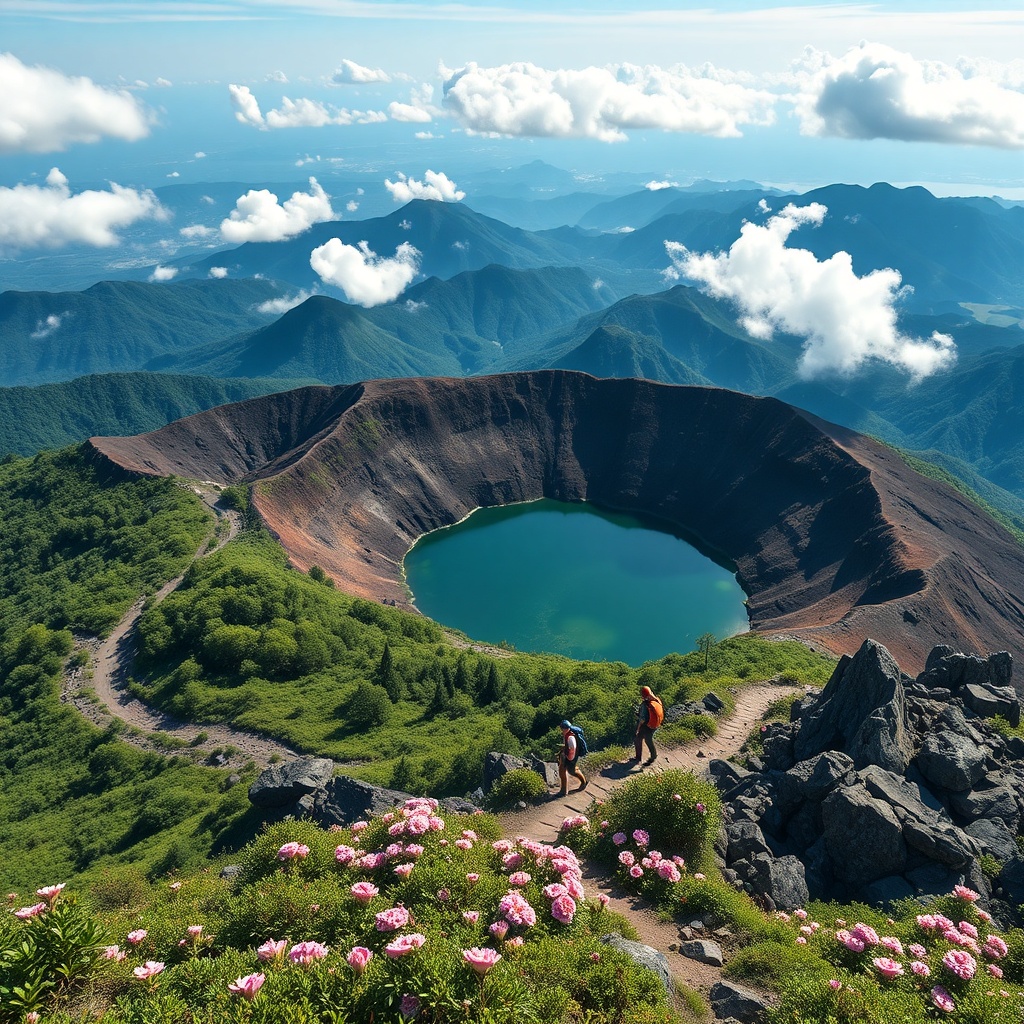
Imagine standing above the clouds, surrounded by a landscape sculpted by ancient volcanic forces. Hallasan National Park on Jeju Island is not just the highest mountain in South Korea, but a living testament to the island's natural wonders and cultural heritage.
Let’s embark on a journey through the classic 8-stage storytelling arc, inspired by Dan Harmon’s law, to truly experience why Hallasan is a must-visit destination in Korea.
Life can often feel routine, with the hustle and bustle of city living. Many of us crave a breath of fresh air and a reconnection with nature.
2. The Call to Adventure:
Hallasan’s majestic peak calls out to travelers and nature lovers. Its unique biodiversity, volcanic landscapes, and ever-changing weather promise an adventure unlike any other in Korea.
3. Refusal of the Call:
Climbing a 1,950-meter volcano may seem daunting. Concerns about the physical challenge or unpredictable weather can make you hesitate.
4. Meeting the Mentor:
Local guides, seasoned hikers, and even online communities offer advice: "Start early, dress in layers, and savor every step." Their wisdom helps you prepare, both physically and mentally.
5. Crossing the Threshold:
You set foot on one of Hallasan’s famous trails—Seongpanak or Gwaneumsa. The air is crisp, the forest alive with birdsong, and the volcanic soil crunches beneath your boots. This is the moment your adventure truly begins.
6. Tests, Allies, and Enemies:
The ascent tests your endurance. Misty forests, wild azaleas, and rocky paths challenge you. Fellow hikers become allies, sharing snacks and encouragement. The weather can be an unpredictable foe—sunshine one moment, fog the next.
7. The Ordeal:
As you near the summit, fatigue sets in. The wind grows stronger, the path steeper. But then, the crater lake Baengnokdam comes into view—a breathtaking sight that makes every step worthwhile.
8. The Reward & Return:
Standing at the top, you’re rewarded with panoramic views of Jeju Island and the ocean beyond. You feel a deep sense of accomplishment and a renewed connection to nature. The descent is easier, your spirit lighter, and you return home with unforgettable memories and a fresh perspective on life.
- Biodiversity: Home to over 1,800 plant species and countless animals, Hallasan is a UNESCO Biosphere Reserve.
- Seasonal Beauty: From spring azaleas to winter snow, each season transforms the landscape.
- Personal Growth: The climb is as much about inner discovery as it is about reaching the summit.
- Accessibility: Trails are well-maintained, with options for all fitness levels.
| Trail Name | Distance | Estimated Time | Highlights |
|---|---|---|---|
| Seongpanak | 9.6 km | 4-5 hours (one way) | Gentle slopes, forest scenery |
| Gwaneumsa | 8.7 km | 5-6 hours (one way) | Steep, rugged, panoramic views |
- Check the weather forecast and trail conditions before you go.
- Bring plenty of water, snacks, and layered clothing.
- Start early to allow enough time for the round trip.
- Respect the environment—leave no trace.
Visiting Hallasan National Park is more than a hike—it’s a journey of self-discovery, a chance to witness Korea’s wild beauty, and an opportunity to gain new perspectives on life. Whether you’re an avid hiker or a casual explorer, Hallasan offers something truly transformative.
Keywords: Hallasan, Jeju Island, hiking, nature, travel Korea
- 공유 링크 만들기
- X
- 이메일
- 기타 앱