World's top 7 natural attractions
- 공유 링크 만들기
- X
- 이메일
- 기타 앱
Unlock the Secrets of the World's Breathtaking Natural Wonders
Have you ever dreamed of standing before a wonder so immense it takes your breath away? Journey with us as we unveil the world's top 7 natural attractions—marvels that every traveler longs to see once in a lifetime. From the roaring power of ancient waterfalls to mysterious caves and towering peaks, these sites aren’t just beautiful—they awaken something primal and transformative in every visitor. This guide provides storytelling, schedules, practical travel routes by public transport, admission details, parking info, and essential local tips to make your adventure seamless and unforgettable. If you're eager for experiences that stir your soul and stories you'll never forget, keep reading—the next adventure begins here!
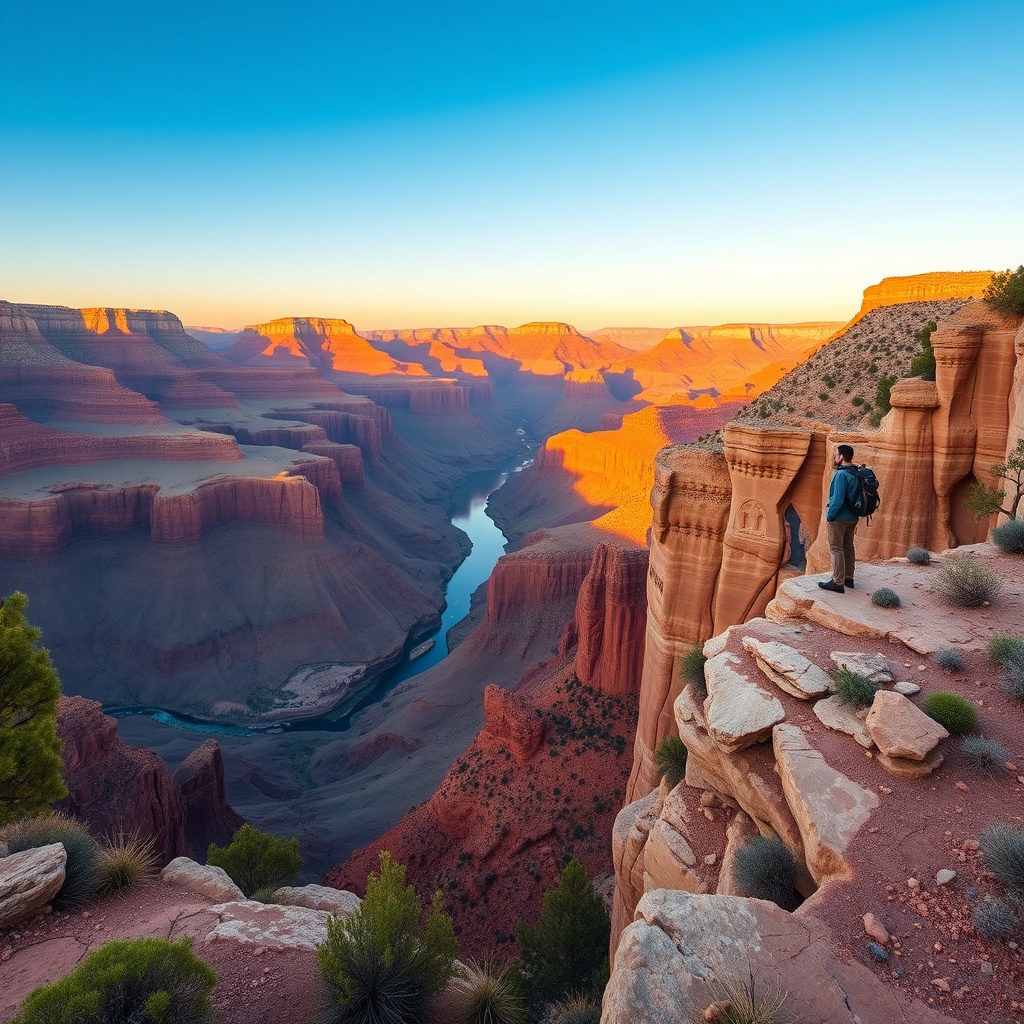
The Grand Canyon is more than just a spectacular chasm carved by the Colorado River; it is a living testament to the power of nature and the passage of time. Stretching over 277 miles long, up to 18 miles wide, and more than a mile deep, this natural wonder invites millions of visitors each year to witness its breathtaking vistas and geological marvels.
Why does the Grand Canyon captivate so many? It’s not just its size or color, but the story it tells. Each layer of rock reveals a chapter of Earth’s history, dating back nearly two billion years. Standing at the rim, you are quite literally looking into the past, making it a unique destination for anyone seeking perspective, inspiration, or a sense of awe.
Dan Harmon's Story Circle Applied to Your Grand Canyon Adventure
- The Comfort Zone: You begin at home, curious about the world’s greatest natural wonders, searching for a deeper connection with nature and yourself.
- The Need: You feel the urge to break from routine, to experience something vast and humbling—something that puts your daily worries into perspective.
- Crossing the Threshold: You book your trip, step onto the plane, and soon find yourself standing at the South Rim, heart pounding at the sight of the canyon’s immensity.
- Searching: As you hike along the rim or descend into the canyon, you’re challenged physically and mentally. The vast silence, the shifting colors at sunrise and sunset, and the dizzying heights push you to confront your limits.
- Finding: Somewhere along the trail, you pause. You notice the ancient rock layers, the wind’s song, the eagles soaring overhead. You realize how small you are—and how interconnected everything is.
- Taking: You bring back more than photos. You return with a renewed sense of wonder, humility, and gratitude for the planet’s beauty and resilience.
- Returning: Back home, you share your story. Friends and family see the change in you: calmer, more grounded, and eager to protect natural wonders like the Grand Canyon.
- Change: The experience inspires you to live more mindfully, to travel with purpose, and to advocate for conservation—so future generations can stand at the rim and feel what you felt.
How to Experience the Grand Canyon at Its Best
- Plan Your Visit: The South Rim is open year-round and offers the most amenities, while the North Rim is quieter and more remote. Spring and fall are ideal for pleasant weather and fewer crowds.
- Hiking and Exploration: Iconic trails like Bright Angel and South Kaibab offer unforgettable views. Even a short walk below the rim reveals a different world—just remember to pace yourself and carry water.
- Sunrise and Sunset: Don’t miss the canyon’s daily light show. Mather Point and Hopi Point are famous for their panoramic vistas, but quieter spots can be just as magical.
- Rafting the Colorado River: For the adventurous, a rafting trip offers a unique perspective, taking you through ancient rock corridors and thrilling rapids.
- Connect with the Past: Visit the Yavapai Geology Museum or join a ranger-led program to deepen your understanding of the canyon’s formation and significance.
| Activity | Experience Level | Benefits |
|---|---|---|
| Rim Trail Walk | Beginner | Easy access, stunning views, great for families |
| Day Hike Below the Rim | Intermediate | Immersive, less crowded, closer to geology |
| Overnight Backpacking | Advanced | Deep solitude, starry skies, true adventure |
| River Rafting | All Levels (guided) | Unique canyon views, thrilling, educational |
Insight: Visiting the Grand Canyon is not just a sightseeing trip—it’s a journey that can shift your perspective on time, nature, and your place in the world. Whether you’re a solo traveler, a family, or a group of friends, the canyon offers lessons in patience, resilience, and awe.
Keywords: Grand Canyon, natural wonder, geology, adventure travel, mindfulness
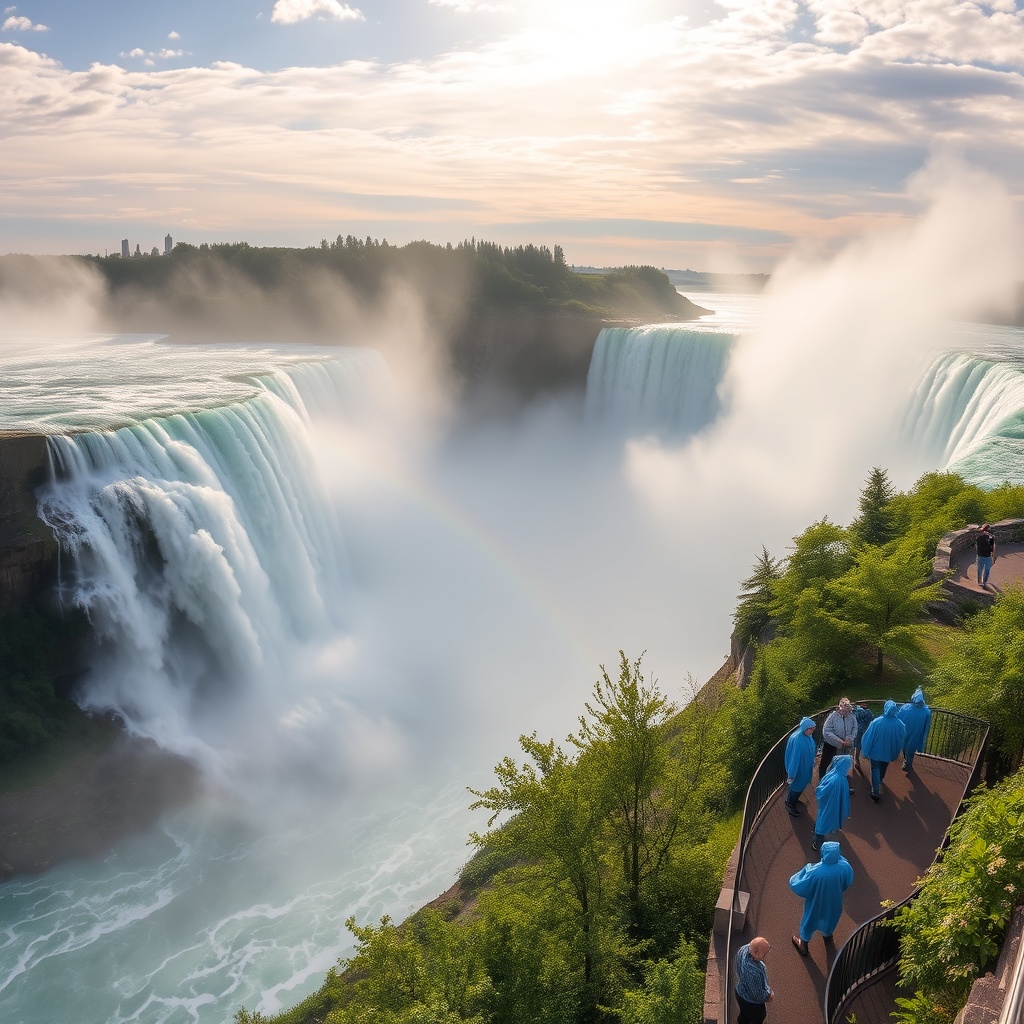
Niagara Falls, straddling the border between Canada and the United States, is a true testament to the raw power and beauty of nature. With over 3,160 tons of water cascading every second, it is one of the most awe-inspiring natural attractions on Earth. But what makes Niagara Falls so special, and how can you truly experience its majesty?
Let’s explore Niagara Falls through the lens of the classic storytelling arc, so you can fully appreciate its wonder and discover practical tips for your visit.
Before you arrive, Niagara is just a name on a map, perhaps a photo in a travel magazine. You might know it as a famous honeymoon destination or a backdrop for daredevil stunts, but its true scale is unimaginable until you stand before it.
Something draws you in—maybe the thunderous sound, the mist rising above the gorge, or stories from friends who’ve visited. The call to witness this natural wonder is irresistible.
As you approach, the roar grows louder. You step onto the observation deck or board the famous Maid of the Mist boat. Suddenly, you’re enveloped by the cool spray and the energy of millions of gallons of water crashing down. This is the moment you cross from observer to participant.
Maybe you brave the Cave of the Winds, feeling the power of Bridal Veil Falls up close, or you walk the scenic paths along the Niagara Parkway. Each step reveals new perspectives—rainbows in the mist, the vibrant turquoise water, and the sheer scale of the Horseshoe Falls.
Standing at the edge, you’re struck by the realization of nature’s force and beauty. The falls aren’t just a sight—they’re an experience that awakens your senses and puts life’s challenges into perspective. Many visitors report feeling a renewed sense of gratitude and humility here.
Armed with photos, stories, and a sense of awe, you return home changed. Niagara Falls reminds us to seek out moments of wonder in our daily lives and to appreciate the power of the natural world.
- See it from Both Sides: The Canadian side offers panoramic views, while the American side provides up-close encounters. Try to visit both for the full experience.
- Take a Boat Tour: The Maid of the Mist (USA) or Hornblower (Canada) brings you right to the base of the falls. Prepare to get wet!
- Explore at Night: The falls are illuminated with vibrant colors after dark, and fireworks shows are common in summer.
- Walk the Trails: The Niagara Gorge trails and parks offer peaceful spots to reflect and enjoy the scenery away from the crowds.
- Learn the History: Visit the Niagara Falls History Museum or take a guided tour to understand the geology, indigenous significance, and the stories of daredevils who challenged the falls.
| Activity | Best Time | What to Expect |
|---|---|---|
| Boat Tour | May–October | Up-close views, mist, excitement |
| Observation Deck | Year-round | Panoramic vistas, photo ops |
| Night Illumination | Evenings | Colorful lights, magical atmosphere |
| Hiking Trails | Spring–Fall | Nature, tranquility, unique angles |
Did You Know?
The falls have moved about 7 miles (11 km) upstream over the past 12,000 years due to erosion. This process continues today, reminding us of the ever-changing nature of our planet.
Whether you’re seeking adventure, inspiration, or a moment of peace, Niagara Falls delivers. Its majesty is a reminder of the world’s enduring beauty and the importance of protecting our natural wonders for future generations.
So, when will you answer the call to experience Niagara’s thundering waters?
Imagine descending beneath the turquoise waves off the coast of Queensland, Australia, and entering a world so vibrant and alive that it feels like stepping into a living rainbow. The Great Barrier Reef is not only the largest coral reef system on Earth, but also one of the most complex and breathtaking natural attractions our planet has to offer.
With over 2,900 individual reefs and 900 islands stretching across 2,300 kilometers, the Great Barrier Reef is a UNESCO World Heritage Site and a true wonder of biodiversity. It is home to more than 1,500 species of fish, 400 types of coral, and countless marine creatures—from gentle sea turtles and playful dolphins to majestic manta rays and even the elusive dugong.
- Unmatched Biodiversity: The reef is a living laboratory, teeming with life forms that exist nowhere else on Earth. This makes it a must-visit for nature lovers, divers, and scientists alike.
- Stunning Underwater Landscapes: The kaleidoscopic colors of the coral gardens, the shifting schools of fish, and the dramatic drop-offs create an underwater panorama that is both surreal and humbling.
- Vital Ecosystem: The reef supports not only marine life but also the livelihoods of thousands of people in Australia. It is a crucial part of the global ocean ecosystem, acting as a nursery for countless species.
| Key Experience | What Makes It Special | How to Enjoy |
|---|---|---|
| Scuba Diving & Snorkeling | Direct encounter with vibrant coral and marine life | Join guided tours from Cairns or Airlie Beach; no experience needed for snorkeling |
| Glass-Bottom Boat Tours | See the reef without getting wet | Perfect for families and non-swimmers |
| Helicopter Flights | Bird’s-eye view of the reef’s vastness and beauty | Book scenic flights for an unforgettable perspective |
| Eco-Tours & Citizen Science | Learn about conservation and participate in reef monitoring | Engage with local marine biologists and support sustainability |
With the reef facing threats from climate change, pollution, and overfishing, responsible tourism is more important than ever. Here are some practical tips to help you make a positive impact:
- Choose eco-certified tour operators who prioritize reef conservation.
- Never touch or stand on coral; even a gentle touch can cause lasting damage.
- Use reef-safe sunscreen to protect marine life from harmful chemicals.
- Participate in citizen science projects or beach clean-ups during your visit.
Personal Growth and Lasting Memories
Visiting the Great Barrier Reef is more than a travel experience—it’s a journey that can transform your perspective on nature and our responsibility to protect it. Whether you’re a seasoned diver or a first-time snorkeler, the sense of wonder you’ll feel as you glide above the corals is unforgettable.
By immersing yourself in this underwater paradise, you’ll not only witness one of the world’s greatest natural wonders, but also become part of the global movement to preserve it for future generations.
Keywords: Great Barrier Reef, Australia, coral reef, scuba diving, eco-tourism
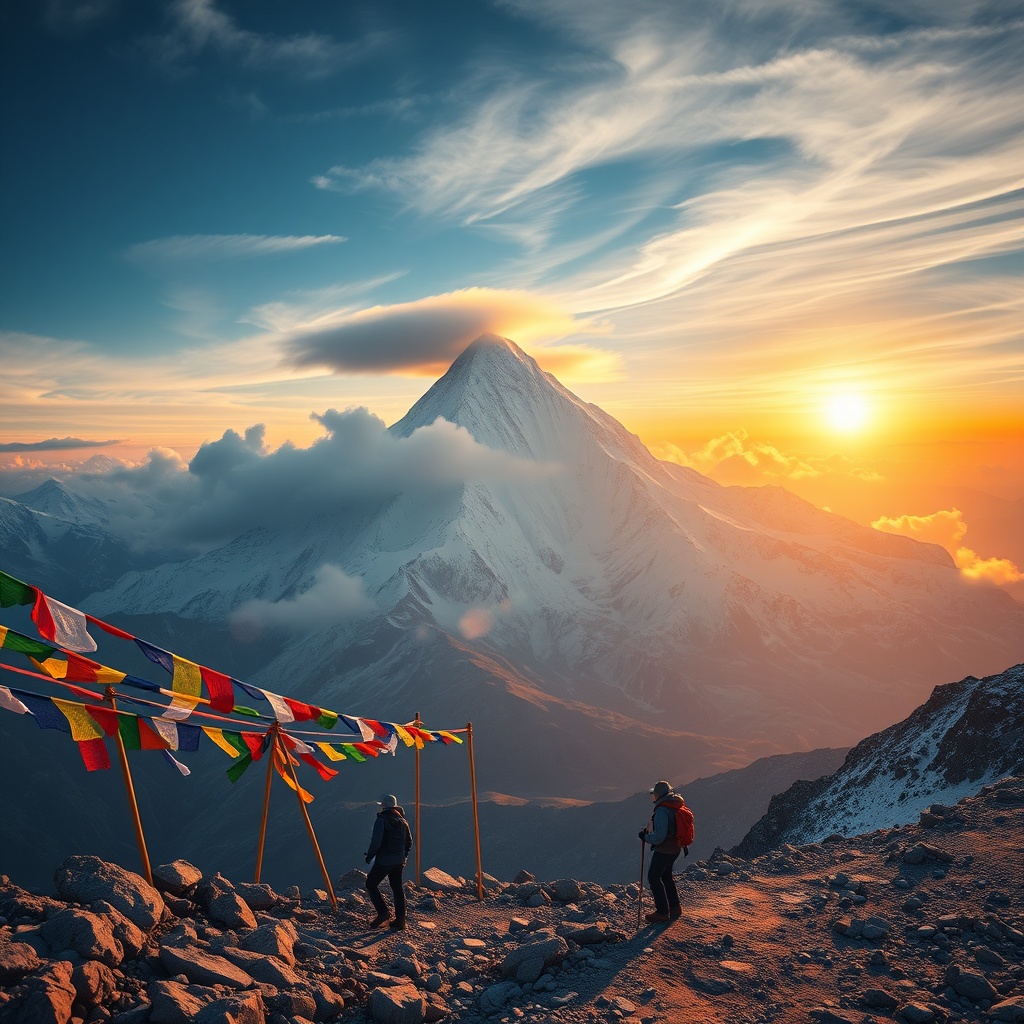
Mount Everest, rising majestically to 8,848 meters (29,029 feet), is not just the world's tallest mountain—it is a symbol of human ambition, endurance, and the awe-inspiring power of nature. Known as Sagarmatha in Nepal and Chomolungma in Tibet, Everest has captivated explorers, trekkers, and dreamers for generations.
The Call to Adventure: Why Everest Inspires
Everest represents the ultimate adventure. For centuries, its snow-capped summit has called out to those seeking to test their limits, both physically and mentally. Whether you are a seasoned mountaineer or a passionate traveler, the mountain offers a profound sense of wonder and humility.
Crossing the Threshold: The Journey Begins
Most journeys to Everest start in Kathmandu, Nepal, where you immerse yourself in a vibrant culture before flying to Lukla, the gateway to the Khumbu region. From here, the trek to Everest Base Camp unfolds—a multi-day odyssey through Sherpa villages, rhododendron forests, and ancient monasteries. Each step brings you closer to the heart of the Himalayas, building anticipation and resilience.
Trials and Allies: Lessons from the Mountain
- Physical Endurance: The trek tests your stamina, as you ascend through thin air and unpredictable weather. Acclimatization is crucial to avoid altitude sickness.
- Mental Strength: The journey demands patience and adaptability. Every challenge, from steep climbs to frigid nights, teaches self-reliance and perseverance.
- Community: Along the way, you form bonds with fellow trekkers and local Sherpas. Their wisdom and camaraderie become invaluable allies.
The Ordeal: Facing the Elements
At higher altitudes, the landscape becomes stark and otherworldly. The Khumbu Icefall, glacial moraines, and the iconic view from Kala Patthar all remind you of nature's raw beauty and danger. The weather can shift rapidly, and every step is a negotiation with the mountain's unpredictable temperament.
The Reward: Awe and Insight
Reaching Everest Base Camp, or even simply gazing at the summit from afar, fills you with a sense of accomplishment and awe. You realize that the true reward is not just the destination, but the transformation you undergo along the way. Everest teaches humility, respect for nature, and the value of perseverance.
How to Experience Everest Responsibly
- Choose Ethical Operators: Support local guides and sustainable trekking companies to ensure your journey benefits the community and environment.
- Prepare Thoroughly: Train physically, learn about altitude sickness, and pack responsibly to minimize your impact.
- Respect Local Culture: Engage with Sherpa traditions and support conservation efforts in the region.
| Key Insights | Benefits for Life |
|---|---|
| Resilience and Adaptability | Improved problem-solving and mental strength |
| Connection with Nature | Greater environmental awareness and mindfulness |
| Cultural Exchange | Broader worldview and appreciation for diversity |
Everest Trekking Tips ▼
- Best trekking season: March-May and September-November
- Permit requirements: TIMS card and Sagarmatha National Park entry
- Altitude safety: Ascend slowly, stay hydrated, and listen to your body
- Must-see: Tengboche Monastery, Namche Bazaar, and panoramic views from Kala Patthar
Whether you dream of summiting Everest or simply want to experience its grandeur from the trails, this legendary peak offers life-changing lessons. Embrace the journey, respect the mountain, and let Everest inspire you to reach new heights in your own life.
- 공유 링크 만들기
- X
- 이메일
- 기타 앱